

Written By: Jeffrey Atlas, Health Content Writer
Medically Reviewed By: Dr. Gopal Grandhige, MD, FACS, Board-Certified Surgeon
Last Reviewed: March 24, 2026
Gastroparesis and migraine are connected through the nervous system, specifically the central, autonomic, and enteric nervous systems that regulate both digestion and pain processing. Research shows that 36.6% of gastroparesis patients also experience migraine attacks, and those with both conditions report more severe gastroparesis symptoms. Gastroparesis, a condition where the stomach empties too slowly without any physical blockage, shares several characteristics with migraine: both are more common in women, feature nausea and vomiting as primary symptoms, and can be treated with overlapping therapies like metoclopramide, domperidone, and vagus nerve stimulation. Studies have found that up to 80% of migraine patients meet gastroparesis criteria even between attacks, suggesting the conditions may share underlying mechanisms involving nerve dysfunction.
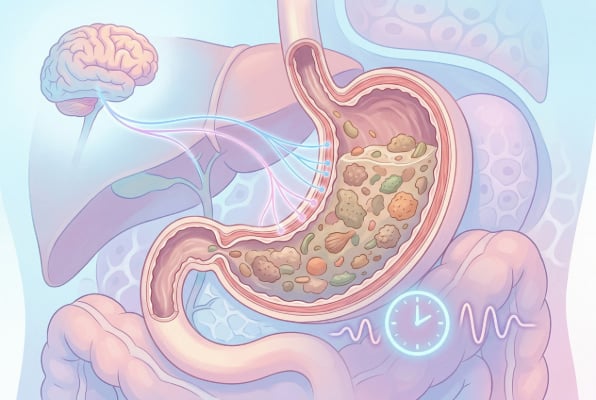
What Is Gastroparesis?
Gastro = stomach | Paresis = partial paralysis/weakness
Gastroparesis is a condition characterized by the delayed movement of solid foods and liquids from the stomach into the small intestine, without any physical blockage present. Some individuals experience gastroparesis symptoms even when diagnostic tests show normal gastric emptying rates.
While the precise cause remains unknown, researchers believe gastroparesis results from damage to various branches of the body’s nervous system.
Three nervous system components play a role in gastroparesis:
- The central nervous system (CNS): Comprises the brain and spinal cord
- The autonomic nervous system (ANS): Controls involuntary functions such as heart rate and breathing
- The enteric nervous system (ENS): Manages the digestive system
Common symptoms include stomach discomfort, heartburn, nausea, vomiting, bloating, and feeling full too quickly or excessively after eating. Some patients also experience urinary symptoms like increased frequency, diminished bladder sensation, and difficulty emptying the bladder.
When gastroparesis symptoms persist chronically or flare episodically, complications can develop. These include dehydration, electrolyte imbalances, bacterial overgrowth, blood sugar irregularities, malnutrition, and the formation of solid masses called bezoars.
Gastroparesis commonly co-occurs with conditions such as multiple sclerosis, diabetes mellitus, and Parkinson’s disease. Diabetes can trigger or aggravate gastroparesis through elevated blood sugar and nerve damage. Certain medications, including tricyclic antidepressants and opioids, along with previous gastrointestinal surgeries can also lead to gastroparesis.
How Is Gastroparesis Diagnosed?
The most common diagnostic method is a gastric emptying study. Patients consume a meal containing radioactive material, then undergo X-ray imaging at one, two, and four-hour intervals. The test tracks how long food takes to move from the stomach into the intestine. A gastroparesis diagnosis is made when 60% or more of the meal remains in the stomach after two hours, or when more than 10% persists after four hours. Other diagnostic options include breath tests, wireless capsule testing, and gastric electrical activity measurements.
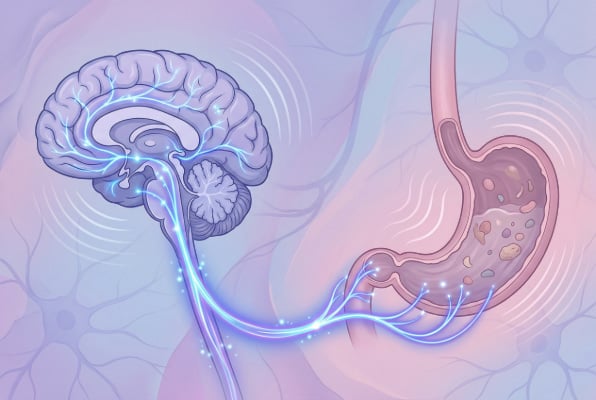
Gastroparesis and Its Link to Migraine
Why Does Migraine Matter for Gastroparesis Patients?
Research shows a significant overlap between gastroparesis and migraine. A study of 516 gastroparesis patients and 195 patients with chronic unexplained nausea and vomiting found that 36.6% of gastroparesis patients also experienced migraine attacks. Those with both conditions reported more severe gastroparesis symptoms on the Gastroparesis Cardinal Symptom Index (GCSI) compared to those without migraine.
Additionally, gastroparesis patients with severe abdominal pain were more likely to have migraine than those with milder symptoms. This connection suggests that healthcare providers should screen gastroparesis patients for migraine, and vice versa.
The Nervous System Connection
Scientists believe the interaction between the CNS, ANS, and ENS explains why nausea occurs so prominently in both conditions. This nervous system interplay may also account for the high rate of overlap between gastroparesis and migraine.
A study of individuals with cyclical vomiting patterns and diabetic gastroparesis found that 47.4% had migraine, compared to only 20.7% in control groups. Many gastroparesis patients also have histories of cyclic vomiting syndrome and irritable bowel syndrome (IBS), conditions frequently associated with migraine as well.
Gastric Emptying in Migraine Patients
Research examining gastric emptying in migraine patients offers insights relevant to gastroparesis:
- One study found that migraine patients met gastroparesis criteria during attacks (78%) and between episodes (80%)
- Migraine patients between attacks took significantly longer to empty their stomachs than controls (188.8 vs. 111.8 minutes)
- Another study found delayed liquid gastric emptying during migraine attacks, though rates normalized between episodes
These findings underscore why gastroparesis patients with co-occurring migraine may experience more severe or unpredictable symptoms.
Shared Characteristics of Gastroparesis and Migraine
- Higher prevalence in women
- Nausea and vomiting are primary symptoms of both
- Symptoms can be episodic or constant
- Symptoms may occur during flare-ups or between episodes
- Botulinum toxin and metoclopramide are used to treat both conditions
- Non-invasive vagus nerve stimulation is FDA-cleared for migraine and currently in clinical trials for gastroparesis
- Both conditions share comorbidities including cyclic vomiting syndrome, fibromyalgia, interstitial cystitis, endometriosis, Parkinson’s disease, systemic lupus erythematosus, and depression
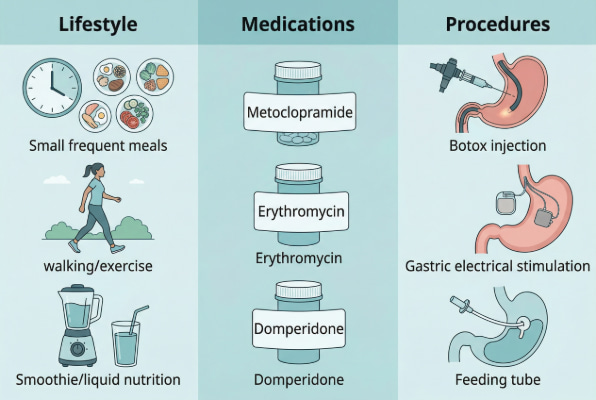
Treatment Options for Gastroparesis
Lifestyle Modifications
- Eating smaller, more frequent meals (4-5 daily)
- Avoiding fats and insoluble fibers (such as raw vegetables)
- Engaging in regular physical activity
- Incorporating liquid-based nutrition like soups, stews, and protein shakes
- Eliminating alcohol, carbonated beverages, and smoking
- Taking a daily multivitamin
- Exploring psychological interventions such as cognitive behavioral therapy or mindfulness
Medications
Medications that help accelerate gastric emptying include:
- Metoclopramide (limited to 12-week use)
- Erythromycin (limited to 4-week use)
- Domperidone
Procedural Interventions
When medications fail, providers may consider:
- Botulinum toxin injections into the pyloric sphincter during endoscopy to improve food passage from stomach to small intestine
- Gastric electrical stimulation to stimulate stomach-related nerves and reduce nausea and vomiting
- Jejunostomy tube (feeding tube) placement in severe cases to ensure proper nutrition
- Gastrostomy tube placement to drain air and fluid from the stomach, relieving nausea and abdominal distention
Treating Gastroparesis When Migraine Is Also Present
For patients managing both gastroparesis and migraine, certain treatments offer dual benefits:
Metoclopramide speeds up gastric emptying, treats nausea and vomiting, and provides pain relief, making it a practical choice for patients with both conditions. However, it shouldn’t be used for more than 12 weeks, and some patients cannot tolerate its CNS-related side effects.
Domperidone has shown effectiveness in preventing migraine attacks while also treating gastroparesis symptoms.
Non-invasive vagus nerve stimulation holds FDA clearance for acute and preventive migraine treatment and is undergoing clinical trials for gastroparesis, potentially offering a future treatment option for patients with both conditions.
Alternative medication delivery is often preferred for patients with gastroparesis and migraine. Because oral medication absorption is frequently impaired, healthcare providers typically recommend intravenous, rectal, subcutaneous, or intranasal administration routes instead.

Get Expert Gastroparesis Treatment in Tampa
Living with gastroparesis can be frustrating and exhausting, dealing with constant nausea, bloating, and unpredictable symptoms that disrupt your daily life. You don’t have to manage it alone.
At Tampa Bay Reflux Institute, Dr. Gopal Grandhige specializes in diagnosing and treating complex gastrointestinal conditions, including gastroparesis. With over a decade of experience and a patient-centered approach, Dr. Grandhige develops individualized treatment strategies based on your unique symptoms, anatomy, and lifestyle. Whether you need lifestyle guidance, medication management, or advanced procedural interventions, Tampa Bay Reflux Institute offers comprehensive care to help you find relief.
Dr. Grandhige is the only board-certified surgeon in the Tampa Bay area who performs a full range of cutting-edge anti-reflux and gastrointestinal procedures, including robotic fundoplications, the LINX Reflux Management System, and transoral incisionless fundoplication (TIF/EsophyX®). He also treats related conditions such as GERD, hiatal hernias, silent reflux, and achalasia. For patients seeking non-surgical weight loss options, our clinic also provides comprehensive solutions. Explore our digestive health blog for more resources or schedule a consultation today.
Conclusion
Gastroparesis and migraine share a significant connection rooted in the complex interplay between the central, autonomic, and enteric nervous systems. Research demonstrates that over one-third of gastroparesis patients also experience migraine attacks, and those with both conditions often report more severe symptoms. Understanding this relationship is crucial for effective treatment, as some therapies, such as metoclopramide, domperidone, and non-invasive vagus nerve stimulation, can address both conditions simultaneously. If you experience symptoms of either condition, discussing the potential overlap with your healthcare provider can lead to more comprehensive care and better outcomes. For additional insights on managing a slow-emptying stomach, consult trusted medical resources.
FAQs
What causes gastroparesis?
Gastroparesis results from damage to the nervous system components that control digestion, though the exact cause often remains unknown. Diabetes, certain medications, and prior gastrointestinal surgeries are common contributing factors.
How is gastroparesis diagnosed?
The primary diagnostic method is a gastric emptying study, where patients eat a meal containing radioactive material and undergo imaging over four hours. A diagnosis is made when food remains in the stomach longer than normal thresholds.
Why do gastroparesis and migraine often occur together?
Both conditions involve dysfunction in the central, autonomic, and enteric nervous systems, which explains their significant overlap. Studies show that nearly 37% of gastroparesis patients also suffer from migraine attacks.
Can migraine medications help with gastroparesis symptoms?
Yes, some treatments like metoclopramide and domperidone can address both conditions by accelerating gastric emptying while also relieving nausea and migraine symptoms. Non-invasive vagus nerve stimulation is also being studied for dual use.
What dietary changes help manage gastroparesis?
Eating smaller, more frequent meals while avoiding fats and raw vegetables can ease symptoms. Liquid-based nutrition like soups and protein shakes is often better tolerated than solid foods.


An endoscopy cannot tell you if you have reflux. It can only tell you if you have complications of GERD.
If you are unhappy with your reflux symptoms, come in and we can discuss testing and treatments that can accurately diagnose your problem.
#reflux #gerd #hiatalhernia #gastroparesis #linx

CALL US AT 813-922-2920
www.tampareflux.com
If you have a hiatal hernia and fit one of these categories, you should know your options.
Dr. Grandhige is an expert in his field and performs 200 of these surgeries a year. He is the only surgeon in the Tampa Bay Area who offers all surgical options - LINX, Fundoplications, TIF and will be one of 20 surgeons in America introducing the latest procedure RefluxStop in 2026.
We accept most insurances but will verify yours before you come in. These procedures are considered medically necessary and covered by your insurance. You can expect to pay your in-network deductibles and nothing else.
#hiatalhernia #reflux #GERD #LINX #refluxstop
What causes reflux ?
1. Weak lower esophageal sphincter
2. Hiatal hernia
3. Flattening of the Angle of His
4. Poor esophageal motility
5. Gastroparesis (slow stomach)
NOT increased acid production
Don’t let GERD get in the way of living your life. Request your appointment with us today on the link below.
.
.
.
.
https://tampareflux.com/contact-us/
Anyone can be victim to GERD and though weight loss can help reduce GERD symptoms. Many athletes with high impact workouts may continue to have these symptoms. This may be a symptom of a hiatal hernia or other issue. We are more then happy to assist you in finding your solution, just click the link below.
.
.
.
https://tampareflux.com/contact-us/
##healthylifestyle #workout #athletereflux #PPIs #heartburn #LINX #fundoplication #TIF #GERD#tampaheartburn #linx #TIF #fundoplication #tampabayreflux #GERD #acidreflux #acidrefluxsurgery #stopreflux
#nonsurgicalweightloss #ESG #gastricballoon #weightlossjourney #vsg #vsgjourney #spatz3 #orbera #orberaballoon #grandhige #DrG
#tampabayrefluxinstitute #guthealth #roboticsurgery
Heartburn may seem like an annoyance. But if you find yourself having symptoms on a daily basis, it may be time to to talk to Dr. Grandhige as it could be a symptom of something worse.
.
.
.
#chronicheartburn #gerdsymptoms #heartburnrelief #reflux #PPIs #heartburn #LINX #fundoplication #TIF #GERD#tampaheartburn #linx #TIF #fundoplication #tampabayreflux #GERD #acidreflux #acidrefluxsurgery #stopreflux
#nonsurgicalweightloss #ESG #gastricballoon #weightlossjourney #vsg #vsgjourney #spatz3 #orbera #orberaballoon #grandhige #DrG
#tampabayrefluxinstitute #guthealth #roboticsurgery
If you are tired of avoiding your favorite foods or taking daily medications, we can help.
We are the Tampa experts in reflux ! With years of experience and thousands of patients treated successfully, we offer all FDA approved anti-reflux procedures.
Call 813-922-2920 to schedule your appointment
All major insurances accepted.
Not all patients need surgical intervention. Many patients are living a heartburn free life with their PPIs. However 40% of patients taking PPIs are not getting the relief they need. If you are one of those, you have options! Come in and find out more.
.
.
.
.
#letushelpyou #medsnotworking #reflux #PPIs #heartburn #LINX #fundoplication #TIF #GERD#tampaheartburn #linx #TIF #fundoplication #tampabayreflux #GERD #acidreflux #acidrefluxsurgery #stopreflux
#nonsurgicalweightloss #ESG #gastricballoon #weightlossjourney #vsg #vsgjourney #spatz3 #orbera #orberaballoon #grandhige #DrG
#tampabayrefluxinstitute #guthealth #roboticsurgery
#heartburn #stopreflux #hiatalherniarepair #severeheartburn #reflux #tampabayreflux #acidrefluxsurgery #tampaheartburn #GERD #PPIs #achalasia #LINX #TIF #tampareflux #fundoplication #stomach #digestivehealth #ESG #obesity #overweight #weightlossjourney #gastricballoon


