

Written By: Jeffrey Atlas, Health Content Writer
Medically Reviewed By: Dr. Gopal Grandhige, MD, FACS, Board-Certified Surgeon
Last Reviewed: March 18, 2026
A hiatal hernia doesn’t directly cause COPD, but the two conditions share a significant relationship that can worsen symptoms of both. COPD’s chronic coughing and increased chest pressure can weaken the diaphragm, promoting hiatal hernia development. In turn, a stomach hernia pushing through the diaphragm often triggers GERD (acid reflux), which irritates airways, increases mucus production, and can cause stomach contents to enter the lungs, all of which intensify COPD symptoms and flare-ups. Managing both conditions together, along with any associated GERD, typically produces the best outcomes for breathing and quality of life.
Understanding COPD
COPD is a long-term respiratory disease that creates significant breathing challenges. It develops from prolonged exposure to harmful substances that damage both the airways and the alveoli, the small air sacs within your lungs. COPD encompasses two primary forms: chronic bronchitis and emphysema. Chronic bronchitis involves inflammation of the airway lining, leading to excess mucus and coughing. Emphysema destroys the alveoli, decreasing the available surface area for oxygen exchange and causing breathlessness.
COPD progresses over time, gradually becoming more severe. While no cure exists for COPD, various treatments can help slow disease advancement and enhance daily living. Common COPD treatments include:
- Medications such as bronchodilators, corticosteroids, antibiotics, and mucolytics
- Oxygen therapy to deliver additional oxygen and support breathing
- Pulmonary rehabilitation programs combining exercise, education, and counseling to address physical and emotional well-being
- Surgical interventions like lung volume reduction surgery or transplantation for advanced cases
Understanding Hiatal Hernia
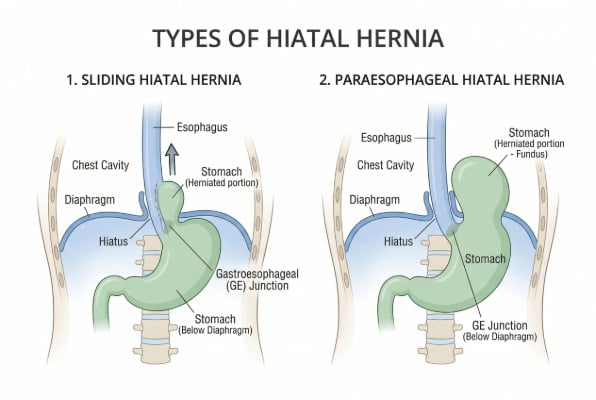
This condition develops when a portion of your stomach protrudes upward through your diaphragm, the muscular wall dividing your chest cavity from your abdomen. Under normal circumstances, your esophagus travels through a small diaphragm opening called the hiatus. With a hiatal hernia, this opening expands, allowing stomach tissue to push through.
Two primary hiatal hernia types exist: sliding and paraesophageal. A sliding hiatal hernia happens when the lower esophagus and upper stomach move upward into the chest cavity. This represents the most prevalent form. A paraesophageal hiatal hernia occurs when stomach tissue pushes beside the esophagus through the hiatus and remains there. Though less frequent, this type poses greater health risks. If you’re experiencing symptoms, consulting with the best hiatal hernia doctors in Tampa can help determine the appropriate course of action.
Recognizing Hiatal Hernia Symptoms
Common signs and indicators can differ between individuals, but typical symptoms include:
- Heartburn or acid reflux episodes
- Chest discomfort or pain
- Swallowing difficulties
- Belching or food regurgitation
- Feeling overly full following meals
How Hiatal Hernia Worsens COPD
A hiatal hernia can negatively influence COPD through multiple mechanisms. First, a hiatal hernia frequently leads to gastroesophageal reflux disease, which can intensify COPD symptoms and provoke disease flare-ups. GERD creates inflammation and irritation throughout the airways and lungs, boosting mucus production and coughing frequency. GERD may also cause stomach contents to enter the lungs (aspiration), potentially triggering infections and pneumonia. Additionally, GERD can spark asthma-like responses including wheezing and breathing difficulties.
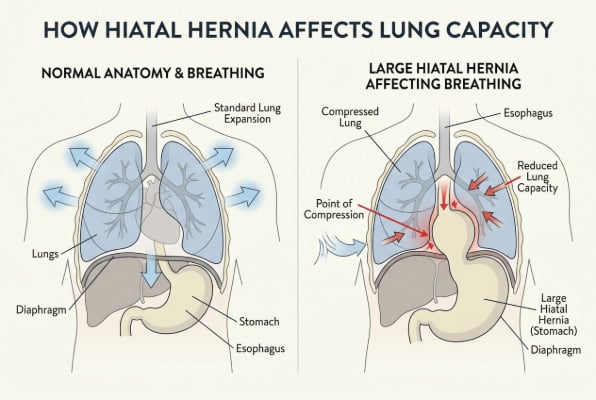
Second, a hiatal hernia can diminish lung capacity and function by placing pressure on the lungs and diaphragm. The hernia reduces available space for lung expansion and contraction during breathing cycles. It can also compromise diaphragm movement, your primary breathing muscle. This makes deep, efficient breathing considerably more challenging.
Third, a hiatal hernia can elevate the risk of COPD-related complications such as pulmonary hypertension and cor pulmonale. Pulmonary hypertension refers to elevated blood pressure in the lung arteries. Cor pulmonale describes enlargement and eventual failure of the heart’s right side resulting from pulmonary hypertension. A hiatal hernia raises chest cavity pressure and disrupts blood circulation to and from the lungs. It may also cause hypoxemia (reduced blood oxygen) by impairing gas exchange within the lungs.
How COPD Contributes to Hiatal Hernia Development
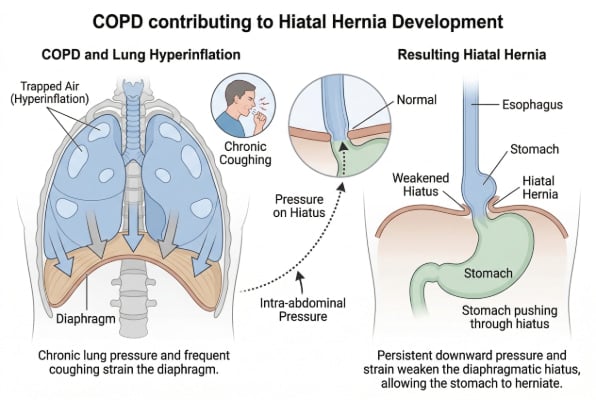
COPD can promote diaphragmatic hernia formation by elevating chest cavity pressure and compromising diaphragm strength. COPD causes air to become trapped in the lungs, meaning some air stays in the lungs after exhaling. This builds pressure in the chest cavity, pushing against both the diaphragm and stomach. COPD also produces chronic coughing that places strain on diaphragm and abdominal muscles. Furthermore, the emphysema component of COPD decreases lung elasticity, hindering normal diaphragm contractions. These combined factors can facilitate hiatal hernia development.
Managing COPD exacerbations effectively requires addressing both conditions together. This often means implementing lifestyle adjustments, dietary changes, and medication modifications to control GERD symptoms while minimizing their effects on COPD.
The GERD-Hiatal Hernia-COPD Connection
While a hiatal hernia can influence and worsen COPD symptoms, it more commonly causes GERD, a condition where stomach acid backs up into the esophagus. GERD produces respiratory symptoms like coughing and wheezing that can amplify existing COPD symptoms. Managing abdominal hernia and heartburn appropriately is essential for preventing complications in those with COPD.
What Exactly Is GERD?
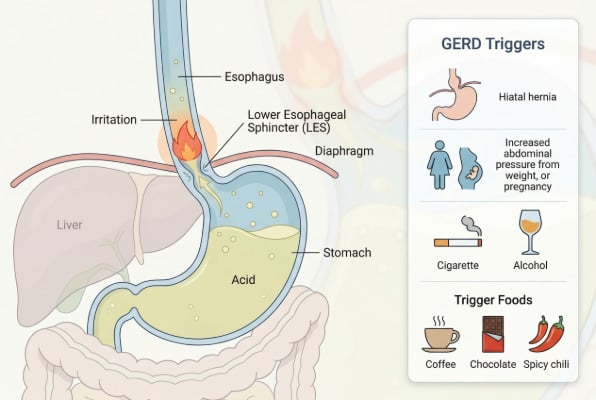
Acid reflux disease, or gastroesophageal reflux disease, occurs when stomach acid repeatedly flows backward into your esophagus, the tube connecting your mouth to your stomach. This can irritate and harm the esophageal lining, producing symptoms such as heartburn, chest pain, swallowing problems, food or acid regurgitation, coughing, voice hoarseness, throat soreness, and unpleasant breath. Some patients may also experience silent reflux (LPR), which occurs without typical heartburn symptoms.
Various factors can trigger GERD, including:
- A hiatal hernia that weakens the lower esophageal sphincter (LES), the valve preventing stomach acid backflow
- Obesity, pregnancy, or restrictive clothing that increases abdominal pressure
- Smoking, alcohol, caffeine, chocolate, spicy or fatty foods, citrus, tomatoes, mint, garlic, onions, and other items that relax the LES or stimulate acid production
- Certain medications including aspirin, ibuprofen, naproxen, steroids, antihistamines, antidepressants, calcium channel blockers, or nitrates
- Stress or anxiety affecting digestive processes or acid production
The COPD-GERD Relationship
Though COPD and GERD are distinct conditions, they share several interconnections. The persistent coughing and heightened abdominal pressure characteristic of COPD can trigger or aggravate GERD. Conversely, GERD can make respiratory symptoms more severe in COPD patients. Understanding how these digestive conditions interact is crucial for effective management.
Telling COPD and GERD Apart
Distinguishing between COPD and GERD is vital for proper diagnosis and treatment planning. Consider these differentiating factors:
- COPD symptoms typically intensify during physical exertion and often connect to smoking history or pollutant exposure
- GERD symptoms frequently worsen following meals, when lying flat, or during nighttime hours; heartburn and regurgitation are characteristic GERD signs
Seeking professional medical evaluation and undergoing appropriate diagnostic testing, such as lung function assessments and endoscopy, can help establish an accurate diagnosis. The specialists at Tampa Bay’s reflux center can provide comprehensive evaluations to identify the root cause of your symptoms.
GERD Treatment Approaches
Managing hiatus hernia and reflux combines lifestyle modifications with medication therapy. Lifestyle changes might include straightforward actions like eliminating trigger foods and drinks, consuming smaller portions more frequently, and remaining upright after eating.
Medications including antacids, H2 blockers, and proton pump inhibitors (PPIs) can decrease stomach acid levels and relieve GERD symptoms. For severe cases or when conservative measures fail, surgical options may become necessary. Advanced procedures like fundoplication surgery or the LINX Reflux Management System offer effective long-term relief. Additionally, minimally invasive options such as the TIF procedure provide alternatives for patients seeking incisionless treatment.
Impact on Respiratory Function
A hernia in the diaphragm can compromise lung function, especially when large enough to compress lung tissue. This reduces lung capacity and oxygen uptake, contributing to breathing challenges. Moreover, when GERD accompanies hiatal hernia and COPD, it can trigger airway inflammation and constriction, further degrading respiratory function.
Effective treatments exist for all these conditions. Patients with related conditions such as achalasia or gastroparesis may experience compounding digestive symptoms that require specialized care. Anyone suspecting they may have one or more of these interconnected health issues should contact us today for guidance on finding relief from the discomfort caused by GERD, hiatal hernias, and COPD. You can also visit our reflux blog for additional resources and information about digestive health.
Conclusion
Understanding the connection between hiatal hernia, COPD, and GERD empowers you to take control of your health. These three conditions often influence one another, creating a cycle that can worsen symptoms and reduce quality of life if left unmanaged. The good news is that effective treatments exist for each condition, and addressing them together often yields the best results. Research published by the National Center for Biotechnology Information confirms the importance of comprehensive treatment approaches. If you experience symptoms like persistent heartburn, breathing difficulties, or chronic coughing, don’t wait to seek medical attention. Learn more about our specialists and how we can help you develop a comprehensive treatment plan to manage these interconnected conditions and breathe easier every day. For patients also seeking weight management support, incisionless weight loss procedures may complement your reflux treatment plan, as obesity can worsen both GERD and hiatal hernia symptoms. Additional educational resources about this condition and its treatments are available through MedlinePlus.
FAQs
Can a hiatal hernia make my COPD worse?
Yes, a hiatal hernia can worsen COPD by causing GERD, which irritates the airways and triggers coughing and breathing difficulties. It can also compress the lungs and reduce your ability to breathe deeply.
Does COPD increase my risk of developing a hiatal hernia?
Yes, the chronic coughing and increased chest pressure from COPD can weaken your diaphragm over time. This creates conditions that make hiatal hernia development more likely.
How do I know if my symptoms are from GERD or COPD?
COPD symptoms typically worsen during physical activity, while GERD symptoms often flare up after eating or lying down. A healthcare professional can perform specific tests to determine the exact cause.
Can treating GERD help improve my COPD symptoms?
Absolutely, managing GERD effectively can reduce airway irritation and decrease coughing episodes. This often leads to fewer COPD flare-ups and improved breathing.
Should I see a specialist if I have both hiatal hernia and COPD?
Yes, consulting with both a pulmonologist and a gastroenterologist ensures comprehensive care. They can coordinate treatments that address both conditions simultaneously for better outcomes.


An endoscopy cannot tell you if you have reflux. It can only tell you if you have complications of GERD.
If you are unhappy with your reflux symptoms, come in and we can discuss testing and treatments that can accurately diagnose your problem.
#reflux #gerd #hiatalhernia #gastroparesis #linx

CALL US AT 813-922-2920
www.tampareflux.com
If you have a hiatal hernia and fit one of these categories, you should know your options.
Dr. Grandhige is an expert in his field and performs 200 of these surgeries a year. He is the only surgeon in the Tampa Bay Area who offers all surgical options - LINX, Fundoplications, TIF and will be one of 20 surgeons in America introducing the latest procedure RefluxStop in 2026.
We accept most insurances but will verify yours before you come in. These procedures are considered medically necessary and covered by your insurance. You can expect to pay your in-network deductibles and nothing else.
#hiatalhernia #reflux #GERD #LINX #refluxstop
What causes reflux ?
1. Weak lower esophageal sphincter
2. Hiatal hernia
3. Flattening of the Angle of His
4. Poor esophageal motility
5. Gastroparesis (slow stomach)
NOT increased acid production
Don’t let GERD get in the way of living your life. Request your appointment with us today on the link below.
.
.
.
.
https://tampareflux.com/contact-us/
Anyone can be victim to GERD and though weight loss can help reduce GERD symptoms. Many athletes with high impact workouts may continue to have these symptoms. This may be a symptom of a hiatal hernia or other issue. We are more then happy to assist you in finding your solution, just click the link below.
.
.
.
https://tampareflux.com/contact-us/
##healthylifestyle #workout #athletereflux #PPIs #heartburn #LINX #fundoplication #TIF #GERD#tampaheartburn #linx #TIF #fundoplication #tampabayreflux #GERD #acidreflux #acidrefluxsurgery #stopreflux
#nonsurgicalweightloss #ESG #gastricballoon #weightlossjourney #vsg #vsgjourney #spatz3 #orbera #orberaballoon #grandhige #DrG
#tampabayrefluxinstitute #guthealth #roboticsurgery
Heartburn may seem like an annoyance. But if you find yourself having symptoms on a daily basis, it may be time to to talk to Dr. Grandhige as it could be a symptom of something worse.
.
.
.
#chronicheartburn #gerdsymptoms #heartburnrelief #reflux #PPIs #heartburn #LINX #fundoplication #TIF #GERD#tampaheartburn #linx #TIF #fundoplication #tampabayreflux #GERD #acidreflux #acidrefluxsurgery #stopreflux
#nonsurgicalweightloss #ESG #gastricballoon #weightlossjourney #vsg #vsgjourney #spatz3 #orbera #orberaballoon #grandhige #DrG
#tampabayrefluxinstitute #guthealth #roboticsurgery
If you are tired of avoiding your favorite foods or taking daily medications, we can help.
We are the Tampa experts in reflux ! With years of experience and thousands of patients treated successfully, we offer all FDA approved anti-reflux procedures.
Call 813-922-2920 to schedule your appointment
All major insurances accepted.
Not all patients need surgical intervention. Many patients are living a heartburn free life with their PPIs. However 40% of patients taking PPIs are not getting the relief they need. If you are one of those, you have options! Come in and find out more.
.
.
.
.
#letushelpyou #medsnotworking #reflux #PPIs #heartburn #LINX #fundoplication #TIF #GERD#tampaheartburn #linx #TIF #fundoplication #tampabayreflux #GERD #acidreflux #acidrefluxsurgery #stopreflux
#nonsurgicalweightloss #ESG #gastricballoon #weightlossjourney #vsg #vsgjourney #spatz3 #orbera #orberaballoon #grandhige #DrG
#tampabayrefluxinstitute #guthealth #roboticsurgery
#heartburn #stopreflux #hiatalherniarepair #severeheartburn #reflux #tampabayreflux #acidrefluxsurgery #tampaheartburn #GERD #PPIs #achalasia #LINX #TIF #tampareflux #fundoplication #stomach #digestivehealth #ESG #obesity #overweight #weightlossjourney #gastricballoon


