
Written By: Jeffrey Atlas, Health Content Writer
Medically Reviewed By: Dr. Gopal Grandhige, MD, FACS, Board-Certified Surgeon
Last Reviewed: March 17, 2026
Omeprazole, a widely prescribed proton pump inhibitor (PPI) for acid reflux and GERD, has raised questions about its potential effects on stomach motility. Some research suggests prolonged PPI use may alter gastric accommodation, the stomach’s ability to relax and receive food, which could contribute to delayed stomach emptying. However, current evidence remains inconclusive, with studies limited by small sample sizes and variable designs. While no direct causal link between omeprazole and gastroparesis has been established, patients on long-term PPI therapy who experience symptoms like early fullness, nausea, or bloating should consult their healthcare provider.
Understanding Gastroparesis
Gastroparesis represents a digestive condition marked by slow stomach emptying. This disorder develops when the stomach’s muscular contractions, known as gastric motility, become impaired. The result is various symptoms and complications affecting digestive function, as explained by the National Institute of Diabetes and Digestive and Kidney Diseases.
Common gastroparesis triggers include vagus nerve damage (which regulates stomach contractions) and certain health conditions like diabetes, autoimmune diseases, and neurological disorders. Surgical procedures involving the stomach or intestines may also contribute to gastroparesis development, according to Mayo Clinic’s comprehensive overview.
Recognizing Gastroparesis Symptoms
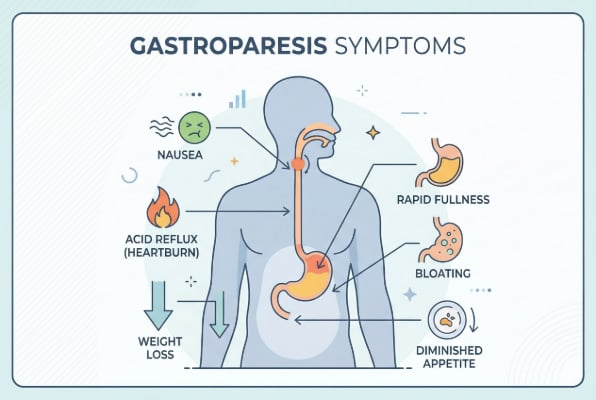
People living with gastroparesis frequently experience:
- Rapid fullness during meals
- Nausea and vomiting episodes
- Stomach bloating
- Acid reflux sensations
- Unexplained weight reduction
- Diminished appetite
Gastroparesis can substantially diminish quality of life. Without proper management, it may cause malnutrition, dehydration, and additional health problems. This makes timely diagnosis and treatment vital for protecting overall wellness. Cleveland Clinic’s gastroparesis resource provides detailed information on recognizing these warning signs.
How Omeprazole Affects Stomach Function
Growing attention has focused on whether omeprazole might disrupt gastric motility, potentially contributing to gastroparesis development. Let’s examine the pathways through which omeprazole could influence digestive function.
Scientific investigations suggest that extended omeprazole use may alter the digestive tract’s natural acid-enzyme balance, ultimately affecting how the stomach moves food. PPIs deliver significant relief for silent reflux and LPR and other digestive conditions, yet they might also interfere with normal digestive processes.
One proposed mechanism involves gastric accommodation, the stomach’s capacity to relax and expand when receiving food. This relaxation enables efficient food movement through the digestive system. Some research indicates prolonged omeprazole use might compromise gastric accommodation, leading to slower gastric emptying and potential gastroparesis development.
Key observations include:
- Omeprazole might disturb the gastrointestinal tract’s acid-enzyme equilibrium, potentially affecting stomach motility
- Extended PPI use has been associated with altered gastric accommodation
- Compromised gastric accommodation can result in delayed emptying and gastroparesis
- Additional research is necessary to confirm a direct causal connection
While omeprazole remains valuable for many people managing digestive conditions, consulting your healthcare provider to weigh potential risks against benefits is crucial. Anyone experiencing gastroparesis symptoms or other digestive concerns should seek professional evaluation from Tampa Bay Reflux Institute for accurate diagnosis and appropriate care.
Omeprazole Side Effects to Know
Awareness of potential adverse reactions when taking omeprazole is important. Though omeprazole generally proves safe and effective for digestive issues, some individuals may experience unwanted effects.
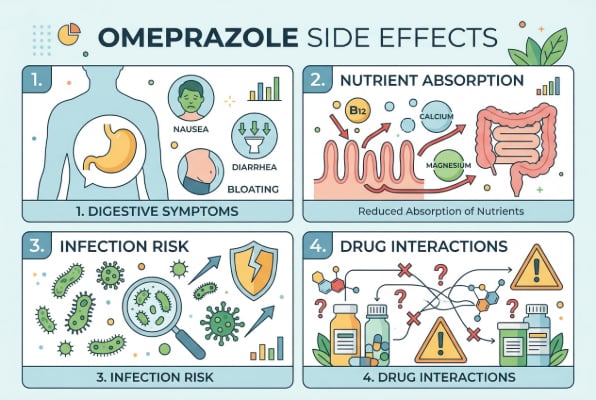
Digestive Symptoms: The most commonly reported omeprazole side effects involve the GI tract, including nausea, diarrhea, belly pain, and bloating. These typically remain mild and resolve independently, though monitoring their intensity and duration matters. Hopkins Medicine offers valuable insights into distinguishing medication side effects from underlying conditions.
Nutrient Absorption Changes: Omeprazole can impact how your body absorbs certain nutrients, particularly vitamin B12, calcium, and magnesium. Long-term use may increase deficiency risks for these essential nutrients. Consulting your healthcare provider about extended omeprazole use is advisable.
Elevated Infection Risk: Some studies suggest extended PPI use might increase susceptibility to certain infections, including pneumonia and Clostridium difficile (C. diff). These infections can be serious and require medical attention. Seek prompt care if you develop persistent infection symptoms.
Drug Interactions: Omeprazole may interact with other medications, potentially changing their effectiveness or amplifying side effects. Informing your healthcare provider about all medications, including OTC drugs and supplements, helps prevent complications.
Rarely, omeprazole use may link to more serious effects like allergic reactions, liver complications, or bone fractures. Stay alert for unusual or severe symptoms and contact your healthcare provider if they occur. The American College of Gastroenterology provides comprehensive guidelines on PPI usage and monitoring.
This list doesn’t cover every possible omeprazole side effect. For questions about omeprazole reactions, consulting your healthcare provider or pharmacist for personalized guidance is recommended.
Gastroparesis Symptoms Explained
Gastroparesis produces various symptoms stemming from delayed stomach emptying, which can sometimes overlap with hiatal hernia symptoms:
- Nausea: Persistent queasiness with urges to vomit
- Vomiting: Forceful expulsion of stomach contents
- Abdominal bloating: Feelings of fullness and stomach tightness
- Early satiety: Feeling stuffed after eating minimal amounts
- Heartburn: Chest burning, often with acid regurgitation
- Upper abdominal discomfort: General pain or unease in the upper belly
- Malnutrition: Poor nutrient absorption from impaired digestion
- Weight loss: Unintended weight reduction from decreased eating and malnutrition
These symptoms can seriously affect daily life and vary in severity between individuals. Harvard Health’s gastroparesis guide explains how symptom severity can fluctuate over time. If you’re experiencing any of these signs, consulting a healthcare professional for proper diagnosis and treatment is essential.
Research on the Omeprazole-Gastroparesis Connection
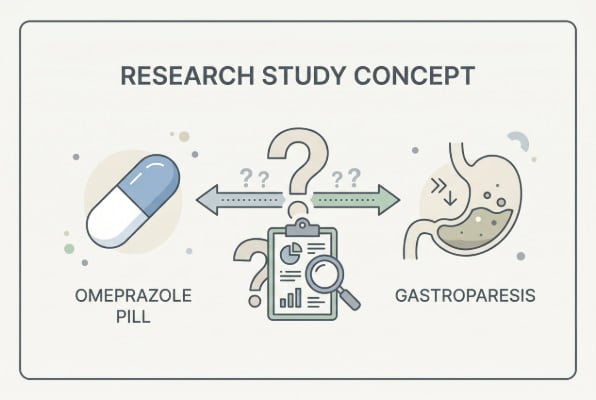
Examining available studies helps illuminate the potential relationship between omeprazole and gastroparesis. Understanding this connection matters for both healthcare providers and patients when making informed decisions about omeprazole therapy.
Multiple studies have investigated whether omeprazole might cause or promote gastroparesis development. While some research hints at a possible association, current evidence remains limited and inconclusive. The NCBI medical literature contains detailed research on gastric motility disorders.
Acknowledging the boundaries of existing knowledge is important. Studies conducted so far have inherent constraints, including small participant groups, potential confounding variables, and varied research designs. Individual responses to omeprazole also differ, complicating efforts to reach definitive conclusions.
Though research points toward a potential omeprazole-gastroparesis link, more comprehensive investigations are needed. Meanwhile, healthcare providers should carefully evaluate omeprazole risks and benefits for patients at risk of or diagnosed with gastroparesis. Patients may also consider consulting digestive disorder specialists for comprehensive evaluation.
Strategies for Managing Gastroparesis
Effective management approaches are essential for gastroparesis patients seeking symptom relief and improved quality of life. Gastroparesis symptoms can disrupt daily routines, but finding relief is achievable with proper strategies.
Dietary Modifications
Strategic eating adjustments form a cornerstone of gastroparesis management. Since delayed stomach emptying characterizes this condition, choosing easily digestible foods proves essential. This typically means eating smaller, more frequent meals rather than large portions. MedlinePlus provides helpful dietary guidelines for gastroparesis patients.
Low-fat, low-fiber foods are generally recommended, including lean proteins like chicken and fish, cooked vegetables, and gentle fruits such as bananas and melons. Steering clear of fatty or fried foods, tough meats, and raw produce can help minimize symptoms.
Medication Approaches
Medications can support gastroparesis management, with proton pump inhibitors among commonly prescribed options. PPIs like omeprazole reduce stomach acid production, helping ease symptoms like heartburn and reflux.
While PPIs may not directly address delayed emptying, they can relieve associated symptoms. Working with a healthcare professional to determine appropriate medications and dosages for your situation is important. Healthline’s gastroparesis overview discusses various treatment approaches in detail.
Additional Helpful Strategies
Beyond diet and medication, other approaches can help manage gastroparesis symptoms:
- Consuming smaller meals more frequently
- Thoroughly chewing food before swallowing
- Remaining upright after eating
- Staying well-hydrated between meals
- Steering clear of carbonated beverages
- Stopping smoking
Implementing these strategies can reduce gastroparesis symptom impact and enhance overall wellbeing. For patients with abdominal hernia and heartburn concerns alongside gastroparesis, specialized treatment plans may be necessary.

Consult Tampa Bay Reflux Institute
When it comes to your digestive health, consulting with a specialist who can provide personalized advice tailored to your specific needs always matters. This proves especially important when considering medications like omeprazole and potential gastroparesis risks.
Omeprazole is widely prescribed for digestive issues, but like all medications, it carries potential side effects requiring professional evaluation. Speaking with a gastroesophageal specialist ensures you’re fully informed about omeprazole’s benefits, risks, and proper usage. WebMD’s gastroparesis information can help you prepare questions for your appointment.
For gastroparesis specifically, which is a condition involving delayed stomach emptying, expert medical care becomes even more critical. A specialized physician can assess your symptoms, order appropriate tests, and determine the best approach for managing your digestive health.
By contacting Tampa Bay Reflux Institute, you can receive expert advice tailored to your individual circumstances. Led by Dr. Grandhige, a nationally recognized expert in reflux management and digestive disorders, the institute specializes in treating GERD, gastroparesis, hiatal hernias, silent reflux (LPR), and achalasia treatment.
Dr. Grandhige has devoted over a decade to developing individualized treatment strategies based on each patient’s unique symptoms and anatomic abnormalities. As the only board-certified surgeon in the Tampa Bay area performing all three cutting-edge anti-reflux procedures, including robotic fundoplication surgery, the LINX device for reflux, and TIF procedure with EsophyX, he offers comprehensive solutions for patients struggling with persistent digestive issues. For patients exploring non-surgical options, incisionless weight loss procedures may also support digestive health improvement.
Conclusion
While omeprazole remains a valuable and generally well-tolerated medication for managing acid reflux, GERD, and other digestive conditions, understanding its potential effects on gastric motility is important. Current research suggests a possible connection between prolonged PPI use and altered stomach function, though evidence remains inconclusive and requires further investigation. If you’re taking omeprazole long-term or experiencing symptoms like early fullness, nausea, or bloating, discussing these concerns with your healthcare provider is essential. They can help weigh the benefits against potential risks and recommend appropriate monitoring or alternative treatments tailored to your individual needs. For additional insights on digestive health topics, visit the Tampa Bay Reflux blog, and Tampa-area residents seeking specialized care can explore options with the top hiatal hernia surgeons in Tampa.
FAQs
Can omeprazole directly cause gastroparesis?
Current research suggests a possible association, but no definitive causal link has been established. More comprehensive studies are needed to confirm this connection.
How long can I safely take omeprazole?
Duration varies by individual and condition, so consult your doctor for personalized guidance. Extended use should be regularly evaluated against potential risks.
What are the warning signs that omeprazole is affecting my stomach motility?
Watch for persistent nausea, early fullness during meals, bloating, or unexplained vomiting. Contact your healthcare provider if these symptoms develop or worsen.
Are there alternatives to omeprazole for acid reflux?
Yes, options include H2 blockers, antacids, dietary modifications, and surgical interventions. Your doctor can recommend the best alternative based on your specific situation.
Should I stop taking omeprazole if I develop gastroparesis symptoms?
Never discontinue medication without consulting your healthcare provider first. They can evaluate your symptoms and adjust your treatment plan safely.


An endoscopy cannot tell you if you have reflux. It can only tell you if you have complications of GERD.
If you are unhappy with your reflux symptoms, come in and we can discuss testing and treatments that can accurately diagnose your problem.
#reflux #gerd #hiatalhernia #gastroparesis #linx

CALL US AT 813-922-2920
www.tampareflux.com
If you have a hiatal hernia and fit one of these categories, you should know your options.
Dr. Grandhige is an expert in his field and performs 200 of these surgeries a year. He is the only surgeon in the Tampa Bay Area who offers all surgical options - LINX, Fundoplications, TIF and will be one of 20 surgeons in America introducing the latest procedure RefluxStop in 2026.
We accept most insurances but will verify yours before you come in. These procedures are considered medically necessary and covered by your insurance. You can expect to pay your in-network deductibles and nothing else.
#hiatalhernia #reflux #GERD #LINX #refluxstop
What causes reflux ?
1. Weak lower esophageal sphincter
2. Hiatal hernia
3. Flattening of the Angle of His
4. Poor esophageal motility
5. Gastroparesis (slow stomach)
NOT increased acid production
Don’t let GERD get in the way of living your life. Request your appointment with us today on the link below.
.
.
.
.
https://tampareflux.com/contact-us/
Anyone can be victim to GERD and though weight loss can help reduce GERD symptoms. Many athletes with high impact workouts may continue to have these symptoms. This may be a symptom of a hiatal hernia or other issue. We are more then happy to assist you in finding your solution, just click the link below.
.
.
.
https://tampareflux.com/contact-us/
##healthylifestyle #workout #athletereflux #PPIs #heartburn #LINX #fundoplication #TIF #GERD#tampaheartburn #linx #TIF #fundoplication #tampabayreflux #GERD #acidreflux #acidrefluxsurgery #stopreflux
#nonsurgicalweightloss #ESG #gastricballoon #weightlossjourney #vsg #vsgjourney #spatz3 #orbera #orberaballoon #grandhige #DrG
#tampabayrefluxinstitute #guthealth #roboticsurgery
Heartburn may seem like an annoyance. But if you find yourself having symptoms on a daily basis, it may be time to to talk to Dr. Grandhige as it could be a symptom of something worse.
.
.
.
#chronicheartburn #gerdsymptoms #heartburnrelief #reflux #PPIs #heartburn #LINX #fundoplication #TIF #GERD#tampaheartburn #linx #TIF #fundoplication #tampabayreflux #GERD #acidreflux #acidrefluxsurgery #stopreflux
#nonsurgicalweightloss #ESG #gastricballoon #weightlossjourney #vsg #vsgjourney #spatz3 #orbera #orberaballoon #grandhige #DrG
#tampabayrefluxinstitute #guthealth #roboticsurgery
If you are tired of avoiding your favorite foods or taking daily medications, we can help.
We are the Tampa experts in reflux ! With years of experience and thousands of patients treated successfully, we offer all FDA approved anti-reflux procedures.
Call 813-922-2920 to schedule your appointment
All major insurances accepted.
Not all patients need surgical intervention. Many patients are living a heartburn free life with their PPIs. However 40% of patients taking PPIs are not getting the relief they need. If you are one of those, you have options! Come in and find out more.
.
.
.
.
#letushelpyou #medsnotworking #reflux #PPIs #heartburn #LINX #fundoplication #TIF #GERD#tampaheartburn #linx #TIF #fundoplication #tampabayreflux #GERD #acidreflux #acidrefluxsurgery #stopreflux
#nonsurgicalweightloss #ESG #gastricballoon #weightlossjourney #vsg #vsgjourney #spatz3 #orbera #orberaballoon #grandhige #DrG
#tampabayrefluxinstitute #guthealth #roboticsurgery
#heartburn #stopreflux #hiatalherniarepair #severeheartburn #reflux #tampabayreflux #acidrefluxsurgery #tampaheartburn #GERD #PPIs #achalasia #LINX #TIF #tampareflux #fundoplication #stomach #digestivehealth #ESG #obesity #overweight #weightlossjourney #gastricballoon


