

Written By: Jeffrey Atlas, Health Content Writer
Medically Reviewed By: Dr. Gopal Grandhige, MD, FACS, Board-Certified Surgeon
Last Reviewed: March 16, 2026
Autoimmune gastroparesis occurs when the immune system mistakenly attacks the nerves that control stomach muscle movement, particularly the vagus nerve. This nerve damage disrupts normal stomach contractions, preventing food from emptying properly into the small intestine.
While diabetes is the most common cause of gastroparesis, autoimmune neuropathy is an important and often underrecognized trigger. In autoimmune-related cases, the body’s immune response creates inflammation that damages the nerves responsible for digestive motility.
Key facts about autoimmune gastroparesis:
- Primary mechanism: Immune system attacks nerves controlling stomach muscles
- Main nerve affected: Vagus nerve
- Result: Delayed or halted gastric emptying
- Distinguishing feature: May respond to immunomodulating treatments like IG therapy
This guide explains how autoimmune neuropathy causes gastroparesis, covers symptoms and diagnosis, and reviews treatment options including immunoglobulin therapy, dietary changes, and surgical interventions.
What Is Gastroparesis?
The term gastroparesis translates to “stomach paralysis.” With this disorder, stomach muscles fail to function correctly, resulting in food traveling slowly, or not at all, through your digestive system. This produces uncomfortable symptoms and can diminish your overall quality of life. According to the National Institute of Diabetes and Digestive and Kidney Diseases, gastroparesis frequently accompanies diabetes (called diabetic gastroparesis), though other factors like autoimmune neuropathy can also trigger its development.
Gastroparesis Causes: How Autoimmune Neuropathy Plays a Role
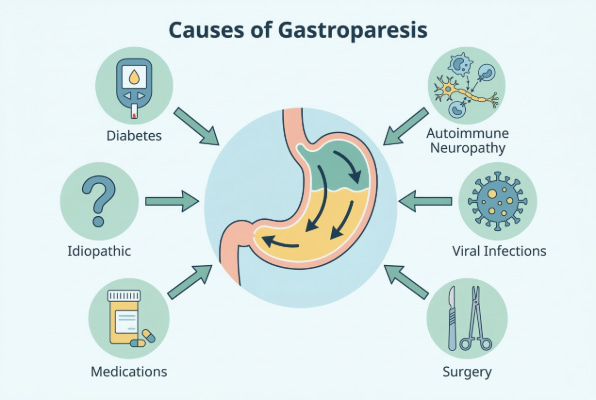
Gastroparesis most frequently occurs when the vagus nerve, responsible for directing food movement through your digestive system, sustains damage. Diabetes stands as the primary cause, yet autoimmune neuropathy represents another significant contributor. With autoimmune neuropathy, your immune system incorrectly attacks stomach nerves, interfering with normal muscle contractions. The Mayo Clinic’s gastroparesis resource notes that identifying the underlying cause is essential for effective treatment.
Other Causes of Gastroparesis
- Viral infections
- Surgical procedures that harm stomach nerves
- Specific medications that reduce stomach emptying speed
- Idiopathic (unexplained) origins
Pinpointing the root cause proves essential for selecting appropriate treatment strategies. Patients experiencing digestive symptoms should also be evaluated for conditions like hiatal hernias and gastroesophageal reflux disease, which can present with overlapping symptoms.
Recognizing Gastroparesis Symptoms
Symptoms of gastroparesis range from mild to severe and may involve:
- Nausea and vomiting (particularly undigested food)
- Feeling satisfied quickly during meals
- Bloating and stomach discomfort
- Reduced appetite and weight loss
- Heartburn or gastroesophageal reflux
- Unstable blood sugar readings (particularly with diabetic gastroparesis)
These symptoms can substantially disrupt everyday activities and nutritional intake. As Cleveland Clinic explains, symptom severity varies widely among patients. Some individuals also experience silent reflux alongside gastroparesis, which can complicate diagnosis.
How Gastroparesis Is Diagnosed
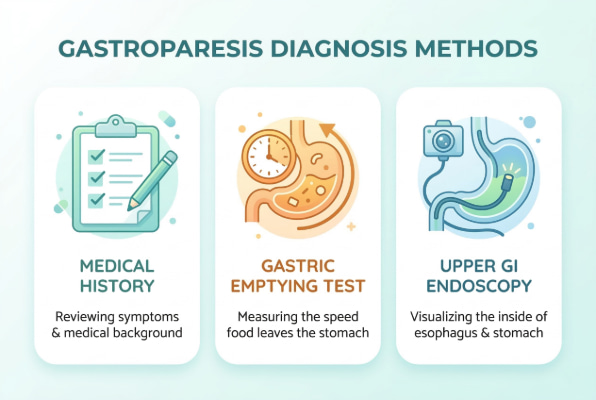
Physicians diagnose gastroparesis through medical history evaluation, physical examination, and specialized diagnostic procedures. These might include gastric emptying tests, upper GI endoscopy, or blood work to detect autoimmune indicators when autoimmune neuropathy is suspected. Hopkins Medicine emphasizes that determining the underlying cause helps direct the most effective treatment plan. Consulting with experienced hiatal hernia doctors in Tampa ensures comprehensive diagnostic evaluation.
Identifying Autoimmune Gastroparesis Through Antibody Testing
Recent research has identified specific autoantibodies that can help diagnose autoimmune gastroparesis when standard testing falls short. One of the most commonly associated is GAD (glutamic acid decarboxylase) antibody, originally known for its connection to Type 1 diabetes, as approximately 75 to 80 percent of Type 1 diabetics carry GAD antibodies in their blood. When GAD levels are significantly elevated, they can directly contribute to delayed gastric emptying. Additional antibodies linked to autoimmune gastrointestinal dysmotility include neuronal voltage-gated calcium channel antibodies, ganglionic acetylcholine receptor antibodies, and neuronal voltage-gated potassium channel antibodies. A 2024 Cleveland Clinic study presented at the American College of Gastroenterology conference found that GAD-positive patients showed the most significant symptom improvement following IVIG therapy, with mean symptom scores improving by 2.3 points compared to 1.1 points in GAD-negative patients. This makes antibody testing particularly valuable for identifying patients who may benefit most from immunomodulating treatments. Many patients with autoimmune gastroparesis also have coexisting autoimmune conditions including Graves’ disease, celiac disease, Hashimoto’s thyroiditis, and Type 1 diabetes, which further supports requesting comprehensive autoimmune screening when gastroparesis is suspected.

Gastroparesis Medications and Treatment Approaches
While no cure exists for gastroparesis, various medications and therapeutic options can help control symptoms. Harvard Health provides an overview of standard treatment protocols.
Medications for Gastroparesis
- Prokinetic agents: Drugs such as metoclopramide and erythromycin encourage stomach muscle activity.
- Anti-nausea medications: Options like ondansetron help minimize nausea and vomiting.
- Pain management: Used carefully for abdominal discomfort.
Immunoglobulin (IG) Therapy
For individuals whose gastroparesis stems from autoimmune neuropathy and who haven’t responded to conventional treatments, immunoglobulin (IG) therapy may be suggested. IG therapy functions by modulating immune activity and decreasing nerve inflammation. Current research published in the National Library of Medicine indicates that IG can alleviate symptoms such as nausea and vomiting in autoimmune gastroparesis patients, providing an alternative when other treatments prove ineffective.
Additional Treatment Options
- Gastric electrical stimulation: An implanted stomach device may help manage severe symptoms.
- Feeding tubes or IV nutrition: For individuals unable to obtain sufficient nutrition through eating.
Patients with motility disorders like achalasia may require similar specialized interventions.
Gastroparesis Diet and Self-Management Recommendations
Modifying your diet forms a fundamental part of gastroparesis self-care. A thoughtfully planned eating approach can minimize symptoms and enhance nutrition. WebMD’s gastroparesis guide offers comprehensive dietary guidance for patients.
Dietary Tips for Gastroparesis
- Consume small, frequent meals: Eating 4-6 smaller portions daily eases digestion.
- Select low-fat, low-fiber options: Fat and fiber delay stomach emptying and may intensify symptoms.
- Puree or liquefy foods: This simplifies digestion.
- Maintain hydration: Consume ample fluids but avoid large quantities during meals.
- Remain upright after eating: Gravity assists food movement through your stomach.
Additional Self-Care Strategies
Other self-care approaches include light physical activity following meals and maintaining a food journal to identify symptom triggers. Patients interested in weight management alongside gastroparesis treatment may explore incisionless weight loss procedures as part of a comprehensive care plan.
Diabetic Gastroparesis: Important Considerations
Individuals with diabetes face elevated gastroparesis risk since elevated blood sugar can progressively damage the vagus nerve. Controlling blood glucose levels is vital for managing diabetic gastroparesis. This may require adjusting insulin schedules, tracking carbohydrate consumption, and collaborating closely with your medical team. Healthline’s gastroparesis overview provides additional resources for diabetic patients managing this condition. Patients with diabetes-related digestive issues may also experience abdominal hernia and heartburn symptoms requiring concurrent treatment.

Gastroparesis Life Expectancy and Prognosis
Living with gastroparesis presents challenges, but through proper management combining medications, dietary modifications, and self-care practices, most individuals can sustain a satisfying quality of life. Life expectancy typically isn’t reduced by gastroparesis itself, though complications including malnutrition and dehydration require careful attention. MedlinePlus confirms that prompt diagnosis and an individualized treatment strategy remain crucial for lasting wellness.
Get Expert Gastroparesis Treatment in Tampa
If you’re struggling with gastroparesis symptoms and seeking specialized care, Tampa Bay Reflux Institute offers advanced diagnostic and treatment options tailored to your unique condition.
Led by Dr. Grandhige, a nationally recognized expert in digestive disorders, our practice provides comprehensive gastroparesis care, from dietary guidance and medication management to cutting-edge surgical interventions.
Our Gastroparesis Treatment Options Include:
- POP Procedure (Per-Oral Pyloromyotomy) / G-POEM: A minimally invasive endoscopic procedure that loosens the pyloric muscle to improve stomach emptying. Dr. Grandhige is one of only a handful of physicians performing this advanced procedure in the Tampa Bay area.
- Robotic or Laparoscopic Pyloroplasty: A surgical approach that widens the pyloric opening for enhanced food passage to the small intestine.
- Personalized Dietary Counseling: Expert nutritional guidance to help manage symptoms and maintain proper nourishment.
- Medication Management: Prokinetic agents and anti-nausea medications customized to your needs.
We also offer proven surgical solutions for related conditions, including anti-reflux fundoplication surgery, the LINX reflux management system, and TIF EsophyX procedures. Visit our digestive health blog for the latest information, or contact our Tampa office to schedule a consultation.
Conclusion
Gastroparesis linked to autoimmune neuropathy presents unique challenges, but understanding the connection between your immune system and digestive function empowers you to seek appropriate care. While the condition requires ongoing management through medication, dietary adjustments, and potentially immunoglobulin therapy, most individuals can achieve meaningful symptom relief and maintain their quality of life. Working closely with a gastroenterologist who understands both the autoimmune and digestive aspects of your condition is essential for developing a personalized treatment plan that addresses your specific needs.
FAQs
Can gastroparesis be cured?
No, gastroparesis currently has no cure. However, symptoms can be effectively managed through medications, dietary changes, and in some cases, surgical interventions.
How does autoimmune neuropathy cause gastroparesis?
The immune system mistakenly attacks the nerves controlling stomach muscles, disrupting normal contractions. This impairs the stomach’s ability to move food into the small intestine.
What foods should I avoid with gastroparesis?
High-fat and high-fiber foods should be limited as they slow stomach emptying. Opt instead for smaller, more frequent meals with pureed or easily digestible options.
Is immunoglobulin therapy effective for gastroparesis?
IG therapy may help patients whose gastroparesis stems from autoimmune neuropathy and haven’t responded to standard treatments. It works by modulating immune activity and reducing nerve inflammation.
Does gastroparesis affect life expectancy?
Gastroparesis itself typically doesn’t reduce life expectancy. However, complications like malnutrition and dehydration require careful monitoring and management.


An endoscopy cannot tell you if you have reflux. It can only tell you if you have complications of GERD.
If you are unhappy with your reflux symptoms, come in and we can discuss testing and treatments that can accurately diagnose your problem.
#reflux #gerd #hiatalhernia #gastroparesis #linx

CALL US AT 813-922-2920
www.tampareflux.com
If you have a hiatal hernia and fit one of these categories, you should know your options.
Dr. Grandhige is an expert in his field and performs 200 of these surgeries a year. He is the only surgeon in the Tampa Bay Area who offers all surgical options - LINX, Fundoplications, TIF and will be one of 20 surgeons in America introducing the latest procedure RefluxStop in 2026.
We accept most insurances but will verify yours before you come in. These procedures are considered medically necessary and covered by your insurance. You can expect to pay your in-network deductibles and nothing else.
#hiatalhernia #reflux #GERD #LINX #refluxstop
What causes reflux ?
1. Weak lower esophageal sphincter
2. Hiatal hernia
3. Flattening of the Angle of His
4. Poor esophageal motility
5. Gastroparesis (slow stomach)
NOT increased acid production
Don’t let GERD get in the way of living your life. Request your appointment with us today on the link below.
.
.
.
.
https://tampareflux.com/contact-us/
Anyone can be victim to GERD and though weight loss can help reduce GERD symptoms. Many athletes with high impact workouts may continue to have these symptoms. This may be a symptom of a hiatal hernia or other issue. We are more then happy to assist you in finding your solution, just click the link below.
.
.
.
https://tampareflux.com/contact-us/
##healthylifestyle #workout #athletereflux #PPIs #heartburn #LINX #fundoplication #TIF #GERD#tampaheartburn #linx #TIF #fundoplication #tampabayreflux #GERD #acidreflux #acidrefluxsurgery #stopreflux
#nonsurgicalweightloss #ESG #gastricballoon #weightlossjourney #vsg #vsgjourney #spatz3 #orbera #orberaballoon #grandhige #DrG
#tampabayrefluxinstitute #guthealth #roboticsurgery
Heartburn may seem like an annoyance. But if you find yourself having symptoms on a daily basis, it may be time to to talk to Dr. Grandhige as it could be a symptom of something worse.
.
.
.
#chronicheartburn #gerdsymptoms #heartburnrelief #reflux #PPIs #heartburn #LINX #fundoplication #TIF #GERD#tampaheartburn #linx #TIF #fundoplication #tampabayreflux #GERD #acidreflux #acidrefluxsurgery #stopreflux
#nonsurgicalweightloss #ESG #gastricballoon #weightlossjourney #vsg #vsgjourney #spatz3 #orbera #orberaballoon #grandhige #DrG
#tampabayrefluxinstitute #guthealth #roboticsurgery
If you are tired of avoiding your favorite foods or taking daily medications, we can help.
We are the Tampa experts in reflux ! With years of experience and thousands of patients treated successfully, we offer all FDA approved anti-reflux procedures.
Call 813-922-2920 to schedule your appointment
All major insurances accepted.
Not all patients need surgical intervention. Many patients are living a heartburn free life with their PPIs. However 40% of patients taking PPIs are not getting the relief they need. If you are one of those, you have options! Come in and find out more.
.
.
.
.
#letushelpyou #medsnotworking #reflux #PPIs #heartburn #LINX #fundoplication #TIF #GERD#tampaheartburn #linx #TIF #fundoplication #tampabayreflux #GERD #acidreflux #acidrefluxsurgery #stopreflux
#nonsurgicalweightloss #ESG #gastricballoon #weightlossjourney #vsg #vsgjourney #spatz3 #orbera #orberaballoon #grandhige #DrG
#tampabayrefluxinstitute #guthealth #roboticsurgery
#heartburn #stopreflux #hiatalherniarepair #severeheartburn #reflux #tampabayreflux #acidrefluxsurgery #tampaheartburn #GERD #PPIs #achalasia #LINX #TIF #tampareflux #fundoplication #stomach #digestivehealth #ESG #obesity #overweight #weightlossjourney #gastricballoon


