

Written By: Jeffrey Atlas, Health Content Writer
Medically Reviewed By: Dr. Gopal Grandhige, MD, FACS, Board-Certified Surgeon
Last Reviewed: March 11, 2026
Research suggests a potential connection: chronic gastritis may damage the stomach’s nerves and muscles responsible for moving food, which can lead to delayed gastric emptying, the hallmark of gastroparesis. While not definitively proven, studies published in Gut have identified links between H. pylori infection (a common gastritis cause) and slowed stomach emptying. Both conditions share overlapping symptoms like nausea, bloating, and abdominal discomfort, but they affect digestion differently. Gastritis inflames the stomach lining, while gastroparesis impairs the stomach’s ability to empty properly.
This guide explains the science behind the gastritis-gastroparesis connection, symptoms to watch for, and treatment options that address both conditions.
Getting to Know Gastritis and Its Symptoms
Gastritis occurs when the stomach lining becomes inflamed, often causing considerable discomfort. Identifying the typical symptoms is essential for proper treatment. Understanding what triggers gastritis and the associated risk factors helps in prevention and management.
Typical Gastritis Symptoms
The signs of gastritis vary but commonly include:
- Pain or discomfort in the abdomen
- Feeling nauseous or vomiting
- Stomach bloating
- Reduced appetite
- Digestive discomfort
These symptoms can range from mild to severe and may develop suddenly or gradually over time.
What Causes Gastritis and Who’s at Risk
Several factors can trigger gastritis, including:
- Helicobacter pylori bacterial infection
- Frequent use of NSAIDs (nonsteroidal anti-inflammatory drugs)
- Excessive alcohol consumption
- High stress levels
- Autoimmune conditions
Understanding these triggers is vital for effective prevention and treatment.
Certain factors increase your likelihood of developing gastritis:
- Advancing age, since older individuals tend to have thinner stomach linings
- Elevated stress or stress-related behaviors
- Long-term conditions such as diabetes
- Consistent tobacco use
Being aware of these risk factors can help you take proactive steps toward maintaining digestive wellness.
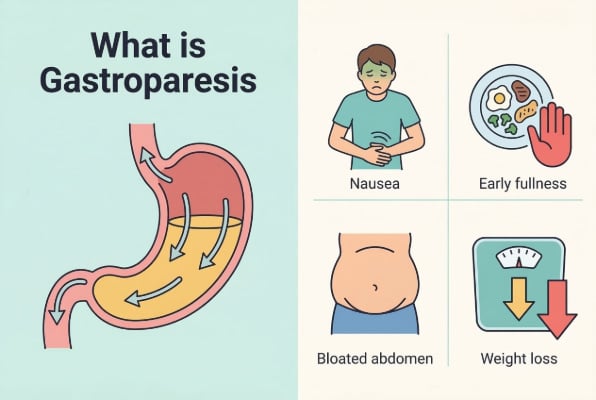
Understanding Gastroparesis
Gastroparesis is a challenging condition characterized by sluggish stomach function, leading to digestive complications. Proper understanding of this condition is necessary for effective treatment approaches.
What Exactly is Gastroparesis?
Gastroparesis occurs when food remains in the stomach longer than normal, despite no physical obstruction. As a result, food fails to reach the small intestine for proper digestion. This can severely affect a person’s nutritional status and overall digestive function. The National Institute of Diabetes and Digestive and Kidney Diseases provides comprehensive information on how this condition develops and progresses.
Primary Symptoms of Gastroparesis
Recognizing gastroparesis symptoms is critical for early detection:
- Nausea and vomiting: Persistent queasiness and frequent vomiting are common indicators
- Early fullness: Feeling satisfied quickly during meals, which may lead to reduced food intake and weight loss
- Bloating: Abdominal swelling caused by delayed food movement
- Unintentional weight loss: Dropping pounds due to inadequate nutrition
Familiarizing yourself with these signs enables better condition management with your healthcare provider.
How Gastritis and Gastroparesis Connect
Understanding the relationship between gastritis and gastroparesis benefits both patients and medical professionals. Scientific research and real-world cases help illuminate this connection.
Scientific Evidence Behind the Connection
Multiple studies have examined the gastritis-gastroparesis relationship. Research indicates that damage to the stomach lining from gastritis could potentially slow gastric motility, which might trigger gastroparesis. However, findings aren’t unanimous, and some researchers suggest additional factors like diabetes and certain medications may also play significant roles. Cleveland Clinic’s gastroparesis overview explains how various factors contribute to this digestive disorder.
Clinical Cases and Medical Perspectives
Real patient experiences offer valuable insights into this connection. Some individuals with gastritis noticed worsening symptoms before eventually receiving a gastroparesis diagnosis. Medical professionals have observed this pattern, suggesting that stomach inflammation and delayed emptying may be related.
Gastritis:
- Key symptoms: Abdominal pain, nausea, bloating
- Potential connection: Stomach lining inflammation
- Clinical insight: May contribute to delayed gastric emptying
Gastroparesis:
- Key symptoms: Vomiting, early fullness, weight loss
- Potential connection: Compromised stomach motility
- Clinical insight: Could be influenced by chronic gastritis
Further investigation is needed to fully understand the gastritis-gastroparesis relationship. This knowledge will improve diagnostic and treatment approaches.
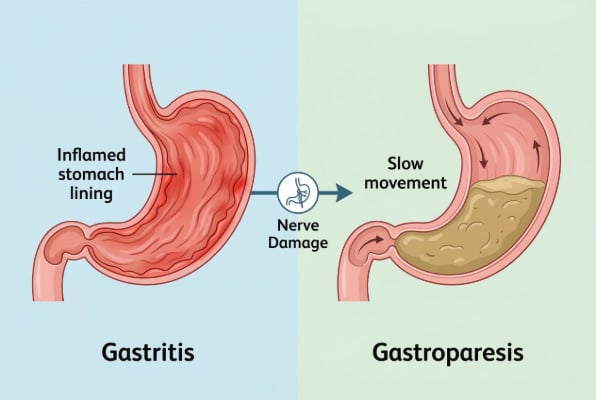
Can Gastritis Actually Cause Gastroparesis?
Understanding the potential link between these conditions matters for patients and clinicians alike. Examining the underlying mechanisms and patient testimonials provides clarity on this connection.
The Mechanism: How This Might Occur
Gastritis could potentially trigger gastroparesis through stomach lining inflammation. This inflammatory process can damage the nerves and muscles responsible for moving food through the digestive system, potentially resulting in gastroparesis. Vagal nerve damage from inflammation represents one pathway through which gastritis might lead to gastroparesis. Similar nerve damage can also contribute to conditions like achalasia, where the esophagus loses its ability to move food properly.
What Patients Report
Individuals who’ve experienced both conditions share meaningful insights. Their accounts offer clues about how these conditions connect in everyday life. Many describe how their symptoms progressed from gastritis to gastroparesis, transitioning from stomach pain and nausea to more severe issues like delayed digestion and persistent bloating. These experiences highlight the importance of early symptom recognition and prompt medical attention.
Symptom comparison:
- Abdominal pain: Common in gastritis, occasional in gastroparesis
- Nausea: Frequent in both conditions
- Bloating: Sometimes occurs with gastritis, common with gastroparesis
- Delayed gastric emptying: Rare in gastritis, common in gastroparesis
Identifying Symptoms of Both Conditions
Effective symptom management is essential for anyone dealing with digestive issues. Each condition presents distinct symptoms requiring specific care approaches. The American College of Gastroenterology offers detailed guidance on recognizing these symptoms.
Gastritis primary symptoms:
- Abdominal pain
- Nausea
- Bloating
- Indigestion
- Loss of appetite
Gastroparesis primary symptoms:
- Vomiting
- Early satiety
- Weight loss
- Abdominal bloating
- Feeling full after meals
Early symptom recognition supports better management of both conditions. Gastritis typically causes stomach pain and upset, while gastroparesis significantly slows stomach emptying, creating substantial nutritional challenges and vomiting episodes. These symptoms often overlap with GERD symptoms, making proper diagnosis crucial.
Understanding these signs allows patients and healthcare providers to take appropriate action for improved quality of life and health outcomes.
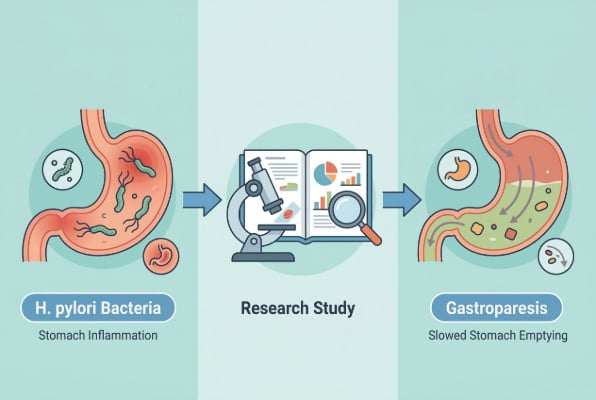
Current Research on Gastritis Leading to Gastroparesis
Recent discoveries in gastrointestinal health are establishing clearer connections between gastritis and gastroparesis. These findings help bridge our understanding and point toward improved treatment options.
Recent Studies and Discoveries
Numerous research efforts have investigated the gastritis-gastroparesis link, examining whether stomach inflammation from gastritis can contribute to gastroparesis development.
Research published in the journal Gut identified a connection between H. pylori infection and delayed stomach emptying, which is significant because H. pylori commonly occurs in gastritis patients. Additional studies suggest that stomach inflammation might damage the muscles controlling food movement, potentially producing gastroparesis symptoms. The National Center for Biotechnology Information maintains updated research on these gastrointestinal conditions.
What Experts Say
Leading gastroenterologists emphasize the importance of understanding this connection. Early detection of inflammation is considered crucial for potentially preventing gastroparesis development. While experts acknowledge that more evidence is needed, they recommend cautious monitoring and risk management. Hopkins Medicine provides expert perspectives on diagnosis and treatment protocols.
Professional organizations advocate for continued research to provide definitive answers and develop optimal treatments for individuals experiencing both conditions.
Managing Symptoms of Both Conditions
Effective management of gastritis and gastroparesis requires a comprehensive approach. Dietary modifications and appropriate medications can significantly reduce discomfort and enhance well-being. The specialists at Tampa Reflux work with patients to develop personalized management strategies.
Dietary Changes That Help
Adjusting your eating habits is fundamental to symptom relief:
- Consume smaller, more frequent meals
- Choose soft, easily digestible foods
- Limit fatty and high-fiber foods that can worsen symptoms
- Stay properly hydrated
- Maintain a food diary to identify personal triggers
Harvard Health offers additional dietary recommendations for managing these digestive conditions.
Medical Treatments and Options
For gastritis:
- Medications: Antacids, proton pump inhibitors, H2 blockers
- Treatments: Dietary changes, stress management
For gastroparesis:
- Medications: Prokinetics, antiemetics
- Treatments: Dietary adjustments, surgical interventions in severe cases
Consulting with your healthcare provider ensures a personalized treatment plan tailored to your specific needs. For patients also dealing with abdominal hernia and heartburn, combined treatment approaches may be necessary.
Treating Gastroparesis Resulting from Gastritis
Healthcare providers employ multiple strategies for treating gastroparesis stemming from gastritis. Initial approaches typically focus on dietary modifications that can alleviate symptoms. Recommendations often include small, frequent meals that are low in fat and fiber, which benefits both conditions.
Medication plays a central role in treatment. Doctors may prescribe prokinetic agents like metoclopramide and domperidone to accelerate food movement through the stomach. Antiemetic drugs help control nausea and vomiting. WebMD’s gastroparesis guide provides detailed information on available medications.
When medication proves insufficient, surgical options may be considered. Gastric electrical stimulation involves implanting a device that sends electrical pulses to stomach muscles, improving their function for better digestion. Some patients may also benefit from procedures like fundoplication surgery when reflux complications are present. Additionally, incisionless weight loss procedures may help patients whose weight contributes to their digestive symptoms.
Common treatment approaches:
- Dietary adjustments (Lifestyle): Small, frequent meals with reduced fat and fiber intake
- Prokinetic agents (Medication): Enhance gastric motility
- Antiemetic drugs (Medication): Control nausea and vomiting
- Gastric electrical stimulation (Surgical): Implanted device sends electrical pulses to stomach muscles
Healthcare providers work to develop comprehensive plans combining these approaches to effectively manage and treat gastroparesis caused by gastritis. MedlinePlus offers patient-friendly information on these treatment options.
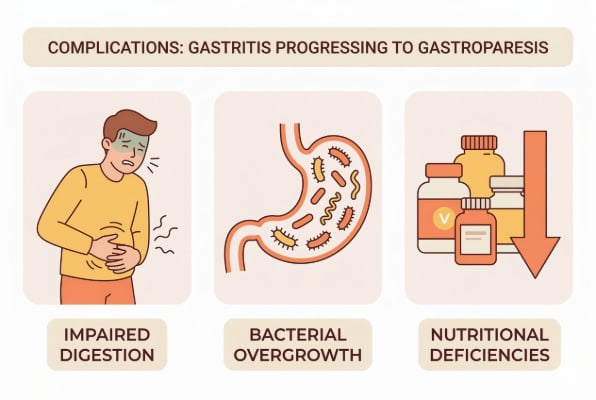
Potential Complications When Gastritis Progresses to Gastroparesis
Recognizing potential complications early is essential since they can create serious health concerns that significantly impact daily life. Patients with hiatal hernias may experience additional complications that compound these conditions.
Key complications to watch for:
- Impaired digestion: Severe nausea, vomiting, and frequent bloating
- Bacterial overgrowth: Infection from prolonged retention of undigested food in the stomach
- Nutritional deficiencies: Difficulty maintaining balanced nutrition leading to vitamin and mineral shortages
Early detection and swift action are critical. Healthcare professionals can monitor for these issues and initiate appropriate treatments promptly. Some patients may also develop silent reflux as a related complication. Healthline’s comprehensive guide explains these potential complications in detail.
Conclusion
Understanding the potential connection between gastritis and gastroparesis is essential for anyone experiencing digestive health challenges. While research continues to explore the exact mechanisms linking these conditions, evidence suggests that chronic stomach inflammation from gastritis may damage the nerves and muscles responsible for proper gastric motility, potentially contributing to gastroparesis development. Early recognition of symptoms, prompt medical attention, and a proactive approach to treatment can make a significant difference in outcomes. By working closely with healthcare providers and implementing appropriate dietary and medical interventions, individuals can effectively manage both conditions and maintain a better quality of life.
If you’re experiencing persistent digestive symptoms, consider consulting with the best hiatal hernia doctors in Tampa who also specialize in delayed gastric emptying treatment. You can contact us today to schedule a consultation and explore treatment options including the LINX Reflux Management System or the TIF EsophyX procedure for related conditions. Visit our digestive health blog for more information and learn about our specialists who can help you find relief.
FAQs
Can gastritis directly cause gastroparesis?
While not definitively proven, research suggests that chronic gastritis may damage stomach nerves and muscles, potentially leading to gastroparesis. The connection is still being studied, but inflammation appears to play a role.
What is the main difference between gastritis and gastroparesis?
Gastritis is inflammation of the stomach lining causing pain and nausea, while gastroparesis involves delayed stomach emptying. Both affect digestion but through different mechanisms.
Should I see a doctor if I have symptoms of both conditions?
Yes, you should consult a healthcare provider promptly for proper diagnosis and treatment. Early intervention can prevent complications and improve symptom management.
Can dietary changes help manage both gastritis and gastroparesis?
Absolutely. Eating smaller, frequent meals that are low in fat and fiber benefits both conditions. Keeping a food diary helps identify personal triggers to avoid.
Is gastroparesis caused by gastritis curable?
Treatment focuses on symptom management rather than a complete cure, using diet modifications, medications, and sometimes surgery. Many patients achieve significant improvement with proper care.


An endoscopy cannot tell you if you have reflux. It can only tell you if you have complications of GERD.
If you are unhappy with your reflux symptoms, come in and we can discuss testing and treatments that can accurately diagnose your problem.
#reflux #gerd #hiatalhernia #gastroparesis #linx

CALL US AT 813-922-2920
www.tampareflux.com
If you have a hiatal hernia and fit one of these categories, you should know your options.
Dr. Grandhige is an expert in his field and performs 200 of these surgeries a year. He is the only surgeon in the Tampa Bay Area who offers all surgical options - LINX, Fundoplications, TIF and will be one of 20 surgeons in America introducing the latest procedure RefluxStop in 2026.
We accept most insurances but will verify yours before you come in. These procedures are considered medically necessary and covered by your insurance. You can expect to pay your in-network deductibles and nothing else.
#hiatalhernia #reflux #GERD #LINX #refluxstop
What causes reflux ?
1. Weak lower esophageal sphincter
2. Hiatal hernia
3. Flattening of the Angle of His
4. Poor esophageal motility
5. Gastroparesis (slow stomach)
NOT increased acid production
Don’t let GERD get in the way of living your life. Request your appointment with us today on the link below.
.
.
.
.
https://tampareflux.com/contact-us/
Anyone can be victim to GERD and though weight loss can help reduce GERD symptoms. Many athletes with high impact workouts may continue to have these symptoms. This may be a symptom of a hiatal hernia or other issue. We are more then happy to assist you in finding your solution, just click the link below.
.
.
.
https://tampareflux.com/contact-us/
##healthylifestyle #workout #athletereflux #PPIs #heartburn #LINX #fundoplication #TIF #GERD#tampaheartburn #linx #TIF #fundoplication #tampabayreflux #GERD #acidreflux #acidrefluxsurgery #stopreflux
#nonsurgicalweightloss #ESG #gastricballoon #weightlossjourney #vsg #vsgjourney #spatz3 #orbera #orberaballoon #grandhige #DrG
#tampabayrefluxinstitute #guthealth #roboticsurgery
Heartburn may seem like an annoyance. But if you find yourself having symptoms on a daily basis, it may be time to to talk to Dr. Grandhige as it could be a symptom of something worse.
.
.
.
#chronicheartburn #gerdsymptoms #heartburnrelief #reflux #PPIs #heartburn #LINX #fundoplication #TIF #GERD#tampaheartburn #linx #TIF #fundoplication #tampabayreflux #GERD #acidreflux #acidrefluxsurgery #stopreflux
#nonsurgicalweightloss #ESG #gastricballoon #weightlossjourney #vsg #vsgjourney #spatz3 #orbera #orberaballoon #grandhige #DrG
#tampabayrefluxinstitute #guthealth #roboticsurgery
If you are tired of avoiding your favorite foods or taking daily medications, we can help.
We are the Tampa experts in reflux ! With years of experience and thousands of patients treated successfully, we offer all FDA approved anti-reflux procedures.
Call 813-922-2920 to schedule your appointment
All major insurances accepted.
Not all patients need surgical intervention. Many patients are living a heartburn free life with their PPIs. However 40% of patients taking PPIs are not getting the relief they need. If you are one of those, you have options! Come in and find out more.
.
.
.
.
#letushelpyou #medsnotworking #reflux #PPIs #heartburn #LINX #fundoplication #TIF #GERD#tampaheartburn #linx #TIF #fundoplication #tampabayreflux #GERD #acidreflux #acidrefluxsurgery #stopreflux
#nonsurgicalweightloss #ESG #gastricballoon #weightlossjourney #vsg #vsgjourney #spatz3 #orbera #orberaballoon #grandhige #DrG
#tampabayrefluxinstitute #guthealth #roboticsurgery
#heartburn #stopreflux #hiatalherniarepair #severeheartburn #reflux #tampabayreflux #acidrefluxsurgery #tampaheartburn #GERD #PPIs #achalasia #LINX #TIF #tampareflux #fundoplication #stomach #digestivehealth #ESG #obesity #overweight #weightlossjourney #gastricballoon


