

Written By: Jeffrey Atlas, Health Content Writer
Medically Reviewed By: Dr. Gopal Grandhige, MD, FACS, Board-Certified Surgeon
Last Reviewed: February 23, 2026
No, you cannot cure a hiatal hernia on your own, but you may not need to. A hiatal hernia occurs when part of the stomach pushes through the diaphragm, and while it won’t heal without medical intervention, many people manage symptoms effectively at home without surgery. Symptom-free hernias progress to needing repair at only about 1% per year.
For sliding hiatal hernias (over 80% of cases), lifestyle changes can significantly reduce acid reflux and discomfort: eating smaller meals, avoiding trigger foods like caffeine and alcohol, elevating your head during sleep, and maintaining a healthy weight. However, paraesophageal hernias, which make up 5–15% of cases, require surgical treatment and can become life-threatening if left untreated.
If you’re experiencing persistent heartburn or suspect you have a hiatal hernia, consult a healthcare provider for proper diagnosis before attempting any home management strategies.
Is Self-Treatment Actually Possible?
No one can eliminate a hiatal hernia without professional medical assistance. Still, if your hernia isn’t triggering symptoms, active treatment might not be necessary.
For hernias showing no symptoms or complications, physicians often recommend watchful waiting, essentially keeping a close eye on any symptoms that develop over time.
Research shows that symptom-free hiatal hernias progress to requiring repair at approximately 1% annually.
Even so, you can take meaningful steps to control symptoms and potentially prevent future recurrence.
Always consult a healthcare provider before altering your habits or starting any over-the-counter treatments.
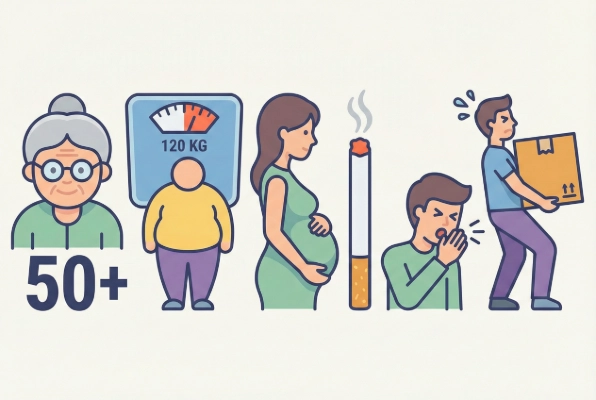
Who Is Most at Risk for Developing a Hiatal Hernia?
Understanding your risk factors can help you stay vigilant about potential symptoms. The development of a hiatal hernia is multifactorial, with contributing factors including congenital anatomical defects, increased intraabdominal pressure (as seen in obesity, pregnancy, and chronic coughing), and age-related changes in the diaphragm’s muscle tone. Age stands out as a significant factor, as approximately 55% to 60% of individuals older than 50 have a hiatus hernia, though only about 9% experience symptoms. Recent research has also identified additional risk factors: male gender, heavy physical labor, and GERD were found to be independent risk factors, while abdominal obesity and smoking may be genetically associated with hiatal hernia development. Hiatal hernias are more common in Western countries and occur more frequently in women than in men overall. While you can’t control factors like age or genetics, maintaining a healthy weight, avoiding smoking, and managing conditions that cause chronic coughing or straining may help reduce your risk.
Will Symptoms Disappear Without Intervention?
Hiatal hernia symptoms may ease temporarily on their own, particularly with sliding hernias.
However, paraesophageal hernias carry the danger of strangulation, a serious complication where blood flow to the herniated tissue gets blocked. This situation can progress to sepsis or prove fatal.
Surgery represents the sole effective solution for paraesophageal hernias.
Anyone suspecting they have a hernia should pursue professional evaluation rather than attempting home remedies.
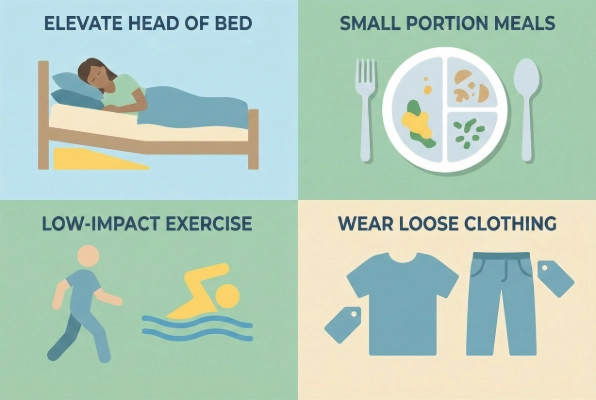
Home-Based Symptom Management
Many hiatal hernia sufferers deal with gastroesophageal reflux disease (GERD) symptoms because acid travels up from the stomach. Dietary and behavioral modifications serve as the primary management approach.
Persistent acid reflux can permanently harm the esophagus, which lacks natural defenses against stomach acid. Managing symptoms matters, even when they seem tolerable.
Dietary Adjustments
Strategies for reducing gastric acid production include:
- Achieving a healthier weight if carrying excess pounds
- Propping up the head of your bed about 8 inches for sleep
- Finishing meals 2–3 hours before bedtime, since lying down with a full stomach intensifies symptoms
- Consuming smaller, more frequent meals rather than three large ones
- Steering clear of trigger foods like chocolate, alcohol, caffeine, spicy dishes, citrus fruits, and carbonated drinks
Physical Activity Guidelines
Modifying your posture and workout routine can provide symptom relief.
Steer clear of heavy lifting and any exercises that put strain on your abdominal area.
Low-impact activities that don’t stress the stomach, such as swimming and walking, often work well for people managing abdominal hernia and heartburn.
Additional Symptom Management Strategies
Other helpful behavioral changes include:
- Keeping your head elevated during sleep
- Giving up smoking to protect your digestive tract from irritation
- Supporting regular bowel movements through adequate hydration and fiber intake to avoid straining
- Choosing loose-fitting clothes that won’t compress your abdomen or restrict movement
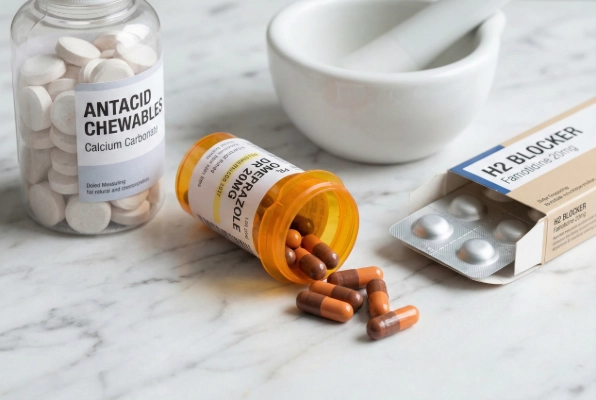
Medical Treatment Approaches
When lifestyle changes fall short, medication discussions with your doctor become worthwhile.
Non-Prescription Options
Over-the-counter remedies can help address acid reflux stemming from a hiatal hernia.
Antacid products may provide relief from GERD symptoms. Because these can interact with other medications, checking with a pharmacist or healthcare provider beforehand is essential.
Prescription Medications
Doctors may prescribe histamine-2 receptor antagonists (H2RAs) or proton pump inhibitors (PPIs) for hiatal hernia symptom management.
H2RAs work by blocking histamine, which triggers certain stomach cells to produce excess acid. Common examples include cimetidine, famotidine, and nizatidine.
PPIs remain a standard GERD treatment, with treatment duration varying based on hernia size. These medications inhibit an enzyme required for acid production and include esomeprazole, lansoprazole, omeprazole, pantoprazole, and rabeprazole.
Surgical Solutions
Research from Johns Hopkins indicates that most people with paraesophageal hiatal hernias experience minimal benefit from medications alone, as surgery typically provides the definitive treatment.
Laparoscopic surgery, performed through small incisions using camera guidance, involves repositioning the displaced stomach portion below the diaphragm. Surgeons often reinforce the hiatal opening to minimize recurrence risk. Patients may also benefit from advanced procedures like the LINX Reflux Management System or TIF EsophyX for long-term reflux control.

When Professional Help Becomes Essential
Seek medical attention when hiatal hernia symptoms become overwhelming or persist beyond several weeks. Warning signs that indicate the need for professional evaluation include persistent heartburn that does not respond to over-the-counter medications, difficulty swallowing, unexplained weight loss, nausea, chest pain, and shortness of breath. Larger hiatal hernias are more likely to produce these symptoms, particularly when the hernia compresses surrounding organs or allows significant acid overflow into the esophagus.
When you visit a healthcare provider, they will typically begin with a thorough medical history and physical examination. To confirm the diagnosis, doctors use several diagnostic tests. Upper endoscopy, also called esophagogastroduodenoscopy (EGD), allows physicians to examine the lining of your esophagus and stomach using a thin, flexible tube with a camera. Studies show that endoscopy can detect hiatal hernias with approximately 97.5% accuracy. A barium swallow test, also known as an upper GI series, involves drinking a liquid containing barium that coats your digestive tract and makes it visible on X-rays. Additional tests like esophageal manometry measure the pressure and muscle contractions in your esophagus, while pH monitoring can assess acid reflux severity.
Consulting a healthcare provider is also wise when exploring new treatment approaches. The best hiatal hernia doctors in Tampa can provide expert evaluation and personalized treatment plans.
A strangulated hernia constitutes a medical emergency. Get immediate care if someone with a hernia experiences:
- Intense or stabbing pain
- Vomiting episodes
- Blood in stool
- Inability to have bowel movements
- General unwellness with or without fever
- Burning or heat sensation near the hernia site
Conclusion
While you cannot cure a hiatal hernia on your own, many people successfully manage their symptoms through lifestyle modifications without needing surgery. Dietary changes, gentle exercise, proper sleep positioning, and avoiding known triggers can significantly reduce acid reflux and discomfort associated with sliding hiatal hernias. However, it’s crucial to get a proper diagnosis from a healthcare provider, as paraesophageal hernias require surgical intervention and can become life-threatening if left untreated. If your symptoms persist despite lifestyle changes, medications like antacids, H2 blockers, or proton pump inhibitors may provide relief. For comprehensive information about digestive conditions, visit our reflux treatment blog or learn more about Tampa Reflux. Those dealing with related conditions such as silent reflux (LPR), achalasia, or gastroparesis should also seek specialized care. Always seek immediate medical attention if you experience severe pain, vomiting, bloody stool, or signs of a strangulated hernia.
For trusted information on hiatal hernias, you can also visit resources from Harvard Health, WebMD, MedlinePlus, and the National Institute of Diabetes and Digestive and Kidney Diseases. If you’re ready to explore your treatment options, contact Tampa Reflux today.
FAQs
Can a hiatal hernia heal completely without surgery?
No, a hiatal hernia cannot heal or disappear on its own without medical intervention. However, if you’re symptom-free, your doctor may simply recommend monitoring rather than treatment.
What foods should I avoid with a hiatal hernia?
Avoid chocolate, alcohol, caffeine, spicy foods, citrus fruits, and carbonated beverages, as these can trigger acid reflux. Eating smaller meals and finishing eating 2–3 hours before bed also helps reduce symptoms.
Is exercise safe with a hiatal hernia?
Low-impact activities like walking and swimming are generally safe and beneficial. Avoid heavy lifting and exercises that strain your abdominal muscles, as these can worsen symptoms.
When should I go to the emergency room for a hiatal hernia?
Seek immediate care if you experience severe stabbing pain, vomiting, blood in your stool, or inability to have bowel movements. These may indicate a strangulated hernia, which is a medical emergency.
How common are hiatal hernias?
Hiatal hernias are very common, affecting 55–60% of people over age 50. Most people experience no symptoms, with only about 9% requiring treatment.


An endoscopy cannot tell you if you have reflux. It can only tell you if you have complications of GERD.
If you are unhappy with your reflux symptoms, come in and we can discuss testing and treatments that can accurately diagnose your problem.
#reflux #gerd #hiatalhernia #gastroparesis #linx

CALL US AT 813-922-2920
www.tampareflux.com
If you have a hiatal hernia and fit one of these categories, you should know your options.
Dr. Grandhige is an expert in his field and performs 200 of these surgeries a year. He is the only surgeon in the Tampa Bay Area who offers all surgical options - LINX, Fundoplications, TIF and will be one of 20 surgeons in America introducing the latest procedure RefluxStop in 2026.
We accept most insurances but will verify yours before you come in. These procedures are considered medically necessary and covered by your insurance. You can expect to pay your in-network deductibles and nothing else.
#hiatalhernia #reflux #GERD #LINX #refluxstop
What causes reflux ?
1. Weak lower esophageal sphincter
2. Hiatal hernia
3. Flattening of the Angle of His
4. Poor esophageal motility
5. Gastroparesis (slow stomach)
NOT increased acid production
Don’t let GERD get in the way of living your life. Request your appointment with us today on the link below.
.
.
.
.
https://tampareflux.com/contact-us/
Anyone can be victim to GERD and though weight loss can help reduce GERD symptoms. Many athletes with high impact workouts may continue to have these symptoms. This may be a symptom of a hiatal hernia or other issue. We are more then happy to assist you in finding your solution, just click the link below.
.
.
.
https://tampareflux.com/contact-us/
##healthylifestyle #workout #athletereflux #PPIs #heartburn #LINX #fundoplication #TIF #GERD#tampaheartburn #linx #TIF #fundoplication #tampabayreflux #GERD #acidreflux #acidrefluxsurgery #stopreflux
#nonsurgicalweightloss #ESG #gastricballoon #weightlossjourney #vsg #vsgjourney #spatz3 #orbera #orberaballoon #grandhige #DrG
#tampabayrefluxinstitute #guthealth #roboticsurgery
Heartburn may seem like an annoyance. But if you find yourself having symptoms on a daily basis, it may be time to to talk to Dr. Grandhige as it could be a symptom of something worse.
.
.
.
#chronicheartburn #gerdsymptoms #heartburnrelief #reflux #PPIs #heartburn #LINX #fundoplication #TIF #GERD#tampaheartburn #linx #TIF #fundoplication #tampabayreflux #GERD #acidreflux #acidrefluxsurgery #stopreflux
#nonsurgicalweightloss #ESG #gastricballoon #weightlossjourney #vsg #vsgjourney #spatz3 #orbera #orberaballoon #grandhige #DrG
#tampabayrefluxinstitute #guthealth #roboticsurgery
If you are tired of avoiding your favorite foods or taking daily medications, we can help.
We are the Tampa experts in reflux ! With years of experience and thousands of patients treated successfully, we offer all FDA approved anti-reflux procedures.
Call 813-922-2920 to schedule your appointment
All major insurances accepted.
Not all patients need surgical intervention. Many patients are living a heartburn free life with their PPIs. However 40% of patients taking PPIs are not getting the relief they need. If you are one of those, you have options! Come in and find out more.
.
.
.
.
#letushelpyou #medsnotworking #reflux #PPIs #heartburn #LINX #fundoplication #TIF #GERD#tampaheartburn #linx #TIF #fundoplication #tampabayreflux #GERD #acidreflux #acidrefluxsurgery #stopreflux
#nonsurgicalweightloss #ESG #gastricballoon #weightlossjourney #vsg #vsgjourney #spatz3 #orbera #orberaballoon #grandhige #DrG
#tampabayrefluxinstitute #guthealth #roboticsurgery
#heartburn #stopreflux #hiatalherniarepair #severeheartburn #reflux #tampabayreflux #acidrefluxsurgery #tampaheartburn #GERD #PPIs #achalasia #LINX #TIF #tampareflux #fundoplication #stomach #digestivehealth #ESG #obesity #overweight #weightlossjourney #gastricballoon


