

Written By: Jeffrey Atlas, Health Content Writer
Medically Reviewed By: Dr. Gopal Grandhige, MD, FACS, Board-Certified Surgeon
Last Reviewed: February 22, 2026
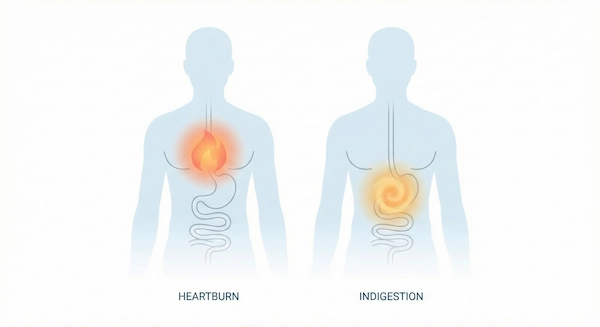
Heartburn and indigestion are often confused, but they affect different parts of your digestive system. Heartburn causes a burning sensation in your chest when stomach acid backs up into your esophagus. Indigestion (dyspepsia) creates discomfort in your upper abdomen, typically with bloating, gas, and feeling full too quickly.
The simplest way to tell them apart: heartburn burns in your chest and may cause an acidic taste, while indigestion hurts in your stomach area and makes you feel bloated. You can experience both at the same time since they share many triggers like fatty foods, alcohol, and caffeine.
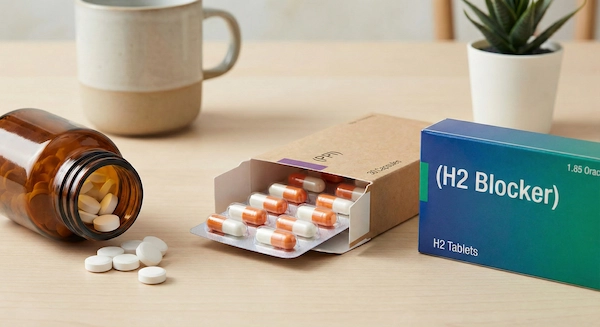
Both conditions respond to similar treatments, including antacids for quick relief, H2 blockers or PPIs for ongoing management, and benefit from eating smaller meals, avoiding trigger foods, and not lying down after eating.
Symptoms
Figuring out whether you’re dealing with heartburn or indigestion often comes down to where you feel the discomfort.
Heartburn typically manifests in the chest and esophageal region, while indigestion centers on your upper abdominal area. That said, experiencing both conditions simultaneously is entirely possible.
Heartburn signs include:
- A burning feeling in your chest
- Chest discomfort
- An acidic or sour taste
- Stomach acid coming back up
- Discomfort when swallowing
- Symptoms that intensify when you recline or lean forward
Indigestion signs include:
- Burning in the upper stomach area
- Stomach discomfort
- Feeling bloated
- Frequent burping
- Feeling satisfied too quickly while eating
- Excess gas production
Causes
These two conditions stem from different origins, though some overlap exists.
What triggers heartburn: Heartburn develops when acid from your stomach travels backward into your esophagus because the lower esophageal sphincter isn’t closing properly. This can signal gastroesophageal reflux disease (GERD), which may eventually harm esophageal tissue and potentially lead to serious complications.
Contributing factors include carrying extra weight, pregnancy, and tobacco exposure. Additionally, hiatal hernias can contribute to chronic reflux symptoms by allowing the stomach to push through the diaphragm.
Common dietary triggers encompass greasy foods, alcoholic beverages, caffeinated drinks, chocolate, deep-fried items, hot spices, tomato-based foods, onions, garlic, mint, and citrus products.
What triggers indigestion: Many foods that spark heartburn can also bring on indigestion, including caffeine, spicy dishes, acidic items, and alcohol. Consuming oversized portions or rushing through meals frequently causes digestive upset as well.
Various underlying conditions may contribute to indigestion, such as acid reflux and GER, IBS, lactose sensitivity, gallbladder problems, ulcers, stomach inflammation, bacterial infections like H. pylori, and gastroparesis.
Mental health factors like stress and depression can also disturb your digestive system regularly.
Treatment
Managing both heartburn and indigestion often involves similar over-the-counter solutions:
- Antacids neutralize stomach acid and work best for mild, occasional flare-ups. Take them when symptoms appear or before consuming trigger foods. Avoid daily use unless your physician advises otherwise, as this can irritate your digestive tract.
- Proton pump inhibitors (PPIs) reduce acid production in your stomach for longer-term management and esophageal healing.
- H2 blockers also lower stomach acid levels but have milder effects than PPIs.
Always consult your healthcare provider before trying herbal treatments, as they could potentially worsen your symptoms.
When lifestyle changes and medications aren’t providing adequate relief, surgical interventions may be considered. Options include fundoplication procedures, the LINX Reflux Management System, or minimally invasive procedures like TIF with EsophyX.
Prevention
Taking proactive steps can significantly reduce episodes of both conditions:
- Opt for smaller portions eaten more frequently, and take your time chewing each bite
- Identify and steer clear of your personal trigger foods
- Cut back on greasy and fried dishes
- Stop eating several hours before going to sleep
- Skip alcohol consumption and tobacco use
- Elevate the head portion of your bed by 6 to 8 inches
- Work toward a healthier weight if recommended by your doctor
- Choose looser clothing to reduce pressure on your midsection
For those struggling with weight-related reflux, incisionless weight loss procedures may help address the root cause of symptoms.
The Hidden Danger of Ignoring Chronic Heartburn
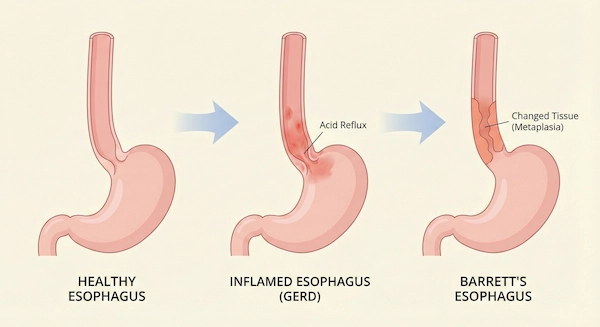
While occasional heartburn is usually harmless, dismissing frequent symptoms as just a nuisance could have serious consequences. Persistent heartburn and reflux is the most common cause of esophagitis, and years of this ongoing inflammation can damage esophageal tissues enough to trigger a condition called Barrett’s esophagus. Roughly 30 million people in North America have GERD, and approximately 5 percent of patients with chronic GERD develop this condition. Barrett’s esophagus occurs when repeated acid exposure causes the normal esophageal lining to transform into tissue resembling the intestinal lining, a cellular change called metaplasia. This transformation typically takes 5 to 10 years to fully develop, though it varies from person to person. What makes Barrett’s esophagus particularly concerning is that patients have a small but increased risk of esophageal cancer, which is why it’s considered a pre-cancerous condition. Research has shown that between 2012 and 2019, rates of Barrett’s esophagus grew by 50 percent in adults ages 45 to 64, while rates of esophageal cancer doubled during the same period. The encouraging news is that early diagnosis and treatment of GERD may help prevent Barrett’s esophagus from developing in the first place. This underscores why persistent heartburn shouldn’t be ignored, as early intervention and proper management of stomach acid issues can protect your esophageal health for years to come.

When to Seek Medical Attention
Schedule an appointment with your healthcare provider if home remedies and lifestyle adjustments haven’t improved your symptoms within a few weeks.
Persistent heartburn or indigestion might indicate an underlying health issue requiring professional treatment. Your doctor may recommend various diagnostic procedures, including physical examinations, acid monitoring tests, imaging studies, or lab work to identify potential infections. The reflux specialists at our Tampa clinic can help determine the cause of your symptoms and recommend appropriate treatment options.
Contact your doctor immediately if you notice:
- Persistent abdominal pain
- Regular vomiting episodes
- Blood appearing in vomit or stool
- Dark, tarry bowel movements
- Trouble swallowing
- Skin or eye yellowing
- Decreased appetite
- Unexplained weight loss
It’s worth noting that some patients experience silent reflux (LPR), which causes throat and voice symptoms without the typical heartburn sensation. Others may have achalasia, a condition affecting esophageal motility that can mimic reflux symptoms.
Seek emergency care if digestive symptoms accompany potential heart attack warning signs:
- Chest pressure radiating to arms, back, neck, or jaw
- Feeling faint or dizzy
- Unexpected exhaustion
- Breaking out in cold sweats
- Breathing difficulties
- Nausea with or without vomiting
According to Johns Hopkins Medicine, distinguishing between cardiac and digestive symptoms is critical for proper emergency response.
Key Points to Remember
Heartburn creates a burning sensation in your chest along with acid regurgitation and swallowing discomfort. Indigestion primarily affects your upper stomach, causing pain, bloating, and excessive gas. While different conditions, they share similar treatments including antacids, PPIs, and H2 blockers, alongside dietary modifications and trigger avoidance. When symptoms persist or warning signs develop, seeking professional medical guidance is essential. For comprehensive information on common heartburn causes and treatments, consulting reliable medical resources can help you make informed decisions about your care.
Conclusion
Understanding the difference between heartburn and indigestion empowers you to manage your symptoms more effectively and know when to seek help. While heartburn centers on that burning chest sensation caused by acid reflux, indigestion manifests as upper abdominal discomfort with bloating and gas. The good news is that both conditions respond well to similar treatments and preventive strategies, from over-the-counter medications to mindful eating habits. Resources from Harvard Medical School and the UK National Health Service offer additional guidance on managing these conditions effectively.
By identifying your personal triggers, making thoughtful lifestyle adjustments, and staying attentive to warning signs, you can significantly reduce the frequency and severity of both conditions. For those in the Tampa area seeking specialized care, the top hiatal hernia specialists in Tampa can provide expert evaluation and treatment. The American Gastroenterological Association and MedlinePlus heartburn resources also provide valuable patient education materials.
However, never hesitate to consult a healthcare professional if your symptoms persist or worsen, as they could signal a more serious underlying condition that requires proper diagnosis and treatment. If you’re experiencing chronic symptoms related to hernia-related heartburn, specialized treatment may be necessary. Schedule a consultation with our team, or visit our digestive health blog for more helpful information. You can also learn more about our comprehensive services at Tampa Bay Reflux Center.
FAQs
Can I have heartburn and indigestion at the same time?
Yes, it’s entirely possible to experience both conditions simultaneously since they share many common triggers. Paying attention to where you feel the discomfort can help you distinguish between them.
How long should I wait after eating before lying down?
You should stop eating at least two to three hours before going to sleep. This gives your stomach adequate time to digest food and reduces the risk of acid reflux.
Are antacids safe to use every day?
Daily antacid use isn’t recommended unless specifically advised by your doctor. Regular overuse can actually irritate your digestive tract and mask symptoms of more serious conditions.
What foods should I avoid to prevent both conditions?
Common triggers include greasy foods, alcohol, caffeine, chocolate, spicy dishes, and citrus products. Keeping a food diary can help you identify your personal triggers more precisely.
When does heartburn become a medical emergency?
Seek emergency care if chest discomfort is accompanied by pressure radiating to your arms, jaw, or back, difficulty breathing, dizziness, or cold sweats. These could indicate a heart attack rather than simple heartburn.


An endoscopy cannot tell you if you have reflux. It can only tell you if you have complications of GERD.
If you are unhappy with your reflux symptoms, come in and we can discuss testing and treatments that can accurately diagnose your problem.
#reflux #gerd #hiatalhernia #gastroparesis #linx

CALL US AT 813-922-2920
www.tampareflux.com
If you have a hiatal hernia and fit one of these categories, you should know your options.
Dr. Grandhige is an expert in his field and performs 200 of these surgeries a year. He is the only surgeon in the Tampa Bay Area who offers all surgical options - LINX, Fundoplications, TIF and will be one of 20 surgeons in America introducing the latest procedure RefluxStop in 2026.
We accept most insurances but will verify yours before you come in. These procedures are considered medically necessary and covered by your insurance. You can expect to pay your in-network deductibles and nothing else.
#hiatalhernia #reflux #GERD #LINX #refluxstop
What causes reflux ?
1. Weak lower esophageal sphincter
2. Hiatal hernia
3. Flattening of the Angle of His
4. Poor esophageal motility
5. Gastroparesis (slow stomach)
NOT increased acid production
Don’t let GERD get in the way of living your life. Request your appointment with us today on the link below.
.
.
.
.
https://tampareflux.com/contact-us/
Anyone can be victim to GERD and though weight loss can help reduce GERD symptoms. Many athletes with high impact workouts may continue to have these symptoms. This may be a symptom of a hiatal hernia or other issue. We are more then happy to assist you in finding your solution, just click the link below.
.
.
.
https://tampareflux.com/contact-us/
##healthylifestyle #workout #athletereflux #PPIs #heartburn #LINX #fundoplication #TIF #GERD#tampaheartburn #linx #TIF #fundoplication #tampabayreflux #GERD #acidreflux #acidrefluxsurgery #stopreflux
#nonsurgicalweightloss #ESG #gastricballoon #weightlossjourney #vsg #vsgjourney #spatz3 #orbera #orberaballoon #grandhige #DrG
#tampabayrefluxinstitute #guthealth #roboticsurgery
Heartburn may seem like an annoyance. But if you find yourself having symptoms on a daily basis, it may be time to to talk to Dr. Grandhige as it could be a symptom of something worse.
.
.
.
#chronicheartburn #gerdsymptoms #heartburnrelief #reflux #PPIs #heartburn #LINX #fundoplication #TIF #GERD#tampaheartburn #linx #TIF #fundoplication #tampabayreflux #GERD #acidreflux #acidrefluxsurgery #stopreflux
#nonsurgicalweightloss #ESG #gastricballoon #weightlossjourney #vsg #vsgjourney #spatz3 #orbera #orberaballoon #grandhige #DrG
#tampabayrefluxinstitute #guthealth #roboticsurgery
If you are tired of avoiding your favorite foods or taking daily medications, we can help.
We are the Tampa experts in reflux ! With years of experience and thousands of patients treated successfully, we offer all FDA approved anti-reflux procedures.
Call 813-922-2920 to schedule your appointment
All major insurances accepted.
Not all patients need surgical intervention. Many patients are living a heartburn free life with their PPIs. However 40% of patients taking PPIs are not getting the relief they need. If you are one of those, you have options! Come in and find out more.
.
.
.
.
#letushelpyou #medsnotworking #reflux #PPIs #heartburn #LINX #fundoplication #TIF #GERD#tampaheartburn #linx #TIF #fundoplication #tampabayreflux #GERD #acidreflux #acidrefluxsurgery #stopreflux
#nonsurgicalweightloss #ESG #gastricballoon #weightlossjourney #vsg #vsgjourney #spatz3 #orbera #orberaballoon #grandhige #DrG
#tampabayrefluxinstitute #guthealth #roboticsurgery
#heartburn #stopreflux #hiatalherniarepair #severeheartburn #reflux #tampabayreflux #acidrefluxsurgery #tampaheartburn #GERD #PPIs #achalasia #LINX #TIF #tampareflux #fundoplication #stomach #digestivehealth #ESG #obesity #overweight #weightlossjourney #gastricballoon


