
Written By: Jeffrey Atlas, Health Content Writer
Medically Reviewed By: Dr. Gopal Grandhige, MD, FACS, Board-Certified Surgeon
Last Reviewed: February 18, 2026
Diabetic gastroparesis is a digestive condition where nerve damage from prolonged high blood sugar causes the stomach muscles to slow down or stop contracting, preventing the stomach from emptying properly. It affects approximately 5% of people with type 1 diabetes and 1% of those with type 2 diabetes, according to the National Institute of Diabetes and Digestive and Kidney Diseases.
The condition is caused by damage to the vagus nerve, which controls stomach muscle contractions, resulting from poorly managed blood glucose levels over time. Symptoms include feeling uncomfortably full after eating small amounts, nausea, bloating, heartburn and acid reflux, reduced appetite, and vomiting.
While the nerve damage is often permanent, diabetic gastroparesis can be managed through blood sugar control, eating six small low-fat meals daily, adjusting insulin timing (taking it after meals rather than before), and in severe cases, gastric electrical stimulation. There’s a two-way relationship between gastroparesis and blood glucose: delayed stomach emptying makes blood sugar harder to control, while high blood sugar (above 200 mg/dL) worsens gastroparesis symptoms.
Recognizing the Symptoms of Diabetic Gastroparesis
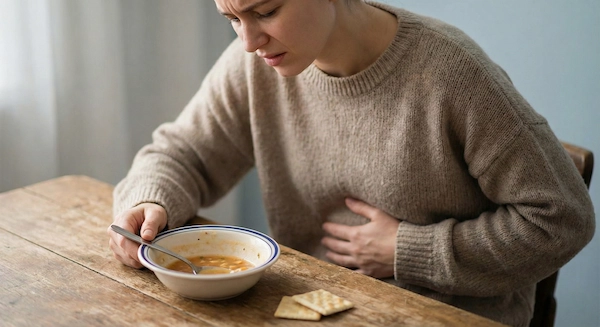
The primary symptom you’ll likely notice with diabetic gastroparesis is an intense feeling of fullness, much like what you’d experience after consuming a large meal. The key distinction is that this sensation happens even when you’ve eaten very little food. This feeling of fullness typically comes with discomfort, bloating, or painful digestion. Symptoms can vary significantly from person to person, with some experiencing persistent nausea throughout the day while others only notice discomfort after certain meals. Research indicates that approximately 72% of patients with gastroparesis report experiencing abdominal pain, though this symptom is often underreported. Symptoms may also occur between meals or during the night, and many patients describe episodes that come and go unpredictably.
Additional symptoms associated with diabetic gastroparesis include:
- nausea
- heartburn
- reduced appetite
- vomiting
These symptoms might appear shortly after you begin eating or well after you’ve finished your meal.
Understanding the Causes
Diabetic gastroparesis develops from nerve damage caused by elevated blood sugar levels.
People with diabetes have excessive sugar circulating in their bloodstream, and when this remains poorly managed over extended periods, it can harm the nerves. When the vagus nerve, which runs from the brain down to the abdomen, becomes affected, the stomach muscles may contract more slowly or cease contracting entirely. This leads to sluggish, uncomfortable digestion and challenges with emptying stomach contents, as explained by Johns Hopkins Medicine.
The Vicious Cycle: How Gastroparesis and Blood Sugar Interact
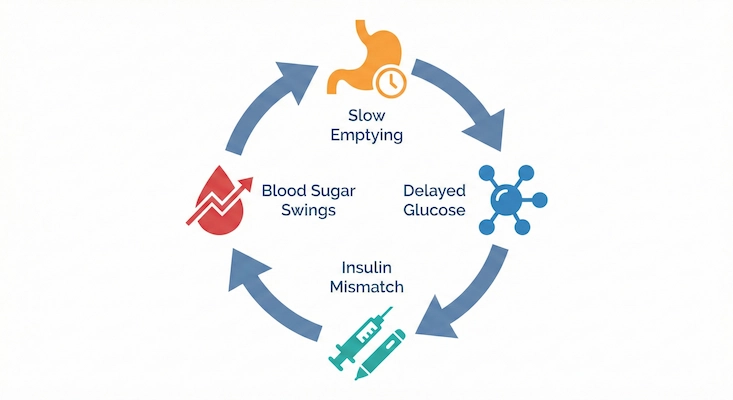
Understanding the bidirectional relationship between gastroparesis and blood glucose is crucial for effective management. There is a two-way relationship between blood glucose and stomach emptying, as blood glucose levels affect stomach functions and vice versa. When food empties unpredictably from the stomach, the arrival of glucose in the blood may be delayed, unpredictable, and no longer correspond to the timing of insulin action. This creates a challenging scenario where if insulin is taken before a meal as recommended, it could start acting before the delayed arrival of glucose in the blood, causing hypoglycemia. Research confirms that patients with type 1 diabetes, compared to those with type 2 diabetes, more often expressed that since developing gastroparesis, their blood sugars have been higher and they have had more frequent episodes of hypoglycemia. Furthermore, hyperglycemia (glucose greater than 200 mg/dL) is known to worsen the symptoms of diabetic gastroparesis, making consistent blood sugar management essential for symptom relief.
Risk Factors to Consider
Every person with diabetes faces some risk of developing diabetic gastroparesis, and certain factors can heighten this risk:
- living with diabetes for many years
- poorly managed blood sugar
- carrying excess weight
- having kidney disease
Studies indicate that diabetic gastroparesis occurs more frequently in people with type 1 diabetes (5%) compared to those with type 2 diabetes (1%).
Beyond diabetes itself, prior abdominal surgeries or a history of eating disorders can also raise your chances of developing this condition. For patients struggling with weight management, incisionless weight loss procedures may help reduce certain risk factors.
Prevention Strategies
People with diabetes can prevent or postpone nerve damage by maintaining their blood glucose levels within the target range their doctor has established. Effective approaches for achieving this include regular physical activity, strategic meal planning, and appropriate medications, as recommended by Harvard Health.
Available Treatment Options
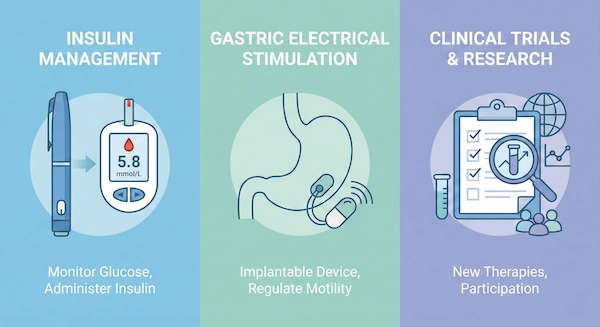
The initial approach for managing diabetic gastroparesis involves modifying insulin routines to achieve better blood sugar control. This might involve:
- administering insulin after meals rather than before
- switching to a different insulin type
- increasing the frequency of insulin doses
- monitoring blood glucose after eating and taking insulin as necessary
In more severe gastroparesis cases, gastric electrical stimulation offers a potential solution. This procedure involves a surgeon implanting a device that sends electrical pulses to the smooth muscles and nerves in the lower portion of the stomach.
Emerging treatments for diabetic gastroparesis are also accessible exclusively through clinical trials. Individuals interested in exploring new therapies while contributing to groundbreaking research can participate in these trials at no cost and may receive compensation for their time and travel expenses. For more information on treatment approaches, visit the American College of Gastroenterology.
Dietary Strategies for Managing Gastroparesis Symptoms
Modifying your eating habits can significantly reduce gastroparesis symptoms and improve nutrient absorption. A number of dietary recommendations have been developed based on the understanding of normal stomach emptying of different types of foods. The cornerstone of dietary management involves eating a balanced diet broken down into six small meals throughout the day, as sitting up at meals and walking between meals will also help with digestion and increase your appetite for the next meal. Fat is a potent inhibitor of gastric emptying, and fatty foods take a longer time to digest, so low-fat options are generally recommended. However, many patients are not affected by dietary fat if it is present in liquid form, such as whole milk, milkshakes, or nutritional supplements. High blood sugars directly interfere with normal stomach emptying, so keeping glucose within target ranges helps reduce gastroparesis flare-ups. Additionally, patients with gastroparesis are prone to bezoar formation, and thus low-fiber foods are recommended to prevent complications. You can find additional dietary guidance at MedlinePlus and Healthline’s gastroparesis guide.

Get Expert Gastroparesis Care at Tampa Bay Reflux Institute
If you’re experiencing symptoms of diabetic gastroparesis, Tampa Bay Reflux Institute offers specialized diagnosis and treatment options tailored to your unique needs. Led by Dr. Grandhige, a nationally recognized expert in digestive disorders, our practice focuses exclusively on conditions affecting the esophagus and stomach, including gastroparesis.
With over a decade of experience developing individualized treatment strategies, Dr. Grandhige combines his expertise with cutting-edge surgical techniques like fundoplication surgery, the LINX Reflux Management System, and TIF EsophyX procedures to help patients find lasting relief from digestive conditions. Tampa Bay Reflux Institute is committed to educating patients through our digestive health blog and providing the most advanced treatment options available for conditions including hiatal hernias, silent reflux, and achalasia.
Take the First Step Toward Better Digestive Health
Don’t let diabetic gastroparesis control your life. Schedule a consultation with Tampa Bay Reflux Institute today to explore your treatment options and develop a personalized care plan.
Tampa Bay Reflux Institute 1315 South Howard Ave. Suite 101 Tampa, Florida 33606 Phone: 813.922.2920 Hours: 9AM – 6PM, Monday – Friday
Conclusion
Diabetic gastroparesis is a challenging but manageable condition that develops when prolonged high blood sugar damages the nerves controlling stomach muscle contractions. Understanding the bidirectional relationship between gastroparesis and blood glucose levels is essential for effective management, as each condition influences the other. With proper attention to blood sugar control, dietary modifications such as smaller and more frequent low-fat meals, and adjustments to insulin timing, many people can significantly reduce their symptoms and improve their quality of life. For those with more severe cases, advanced treatments like gastric electrical stimulation and emerging therapies through clinical trials offer additional hope. Taking proactive steps today, whether through lifestyle changes or seeking specialized care from the best hiatal hernia doctors in Tampa, can help prevent this condition from progressing and restore comfortable digestion.
FAQs
What is the main cause of diabetic gastroparesis?
Diabetic gastroparesis is caused by damage to the vagus nerve resulting from prolonged elevated blood sugar levels. This nerve damage impairs the stomach muscles’ ability to contract and empty food properly.
Can diabetic gastroparesis be reversed?
While nerve damage is often permanent, symptoms can be significantly managed through blood sugar control, dietary changes, and medication adjustments. Early intervention offers the best chance of preventing further progression.
Why does gastroparesis make blood sugar harder to control?
Delayed stomach emptying causes glucose to enter the bloodstream unpredictably, making it difficult to time insulin doses correctly. This can lead to both hypoglycemia and hyperglycemia episodes.
What foods should I avoid with gastroparesis?
High-fat solid foods and high-fiber foods should be limited as they slow digestion and can contribute to bezoar formation. Liquid forms of fat, such as milkshakes or nutritional supplements, are often better tolerated.
Who is most at risk for developing diabetic gastroparesis?
People with type 1 diabetes, those with long-standing diabetes, and individuals with poorly controlled blood sugar face the highest risk. Prior abdominal surgeries and eating disorder history also increase susceptibility.


An endoscopy cannot tell you if you have reflux. It can only tell you if you have complications of GERD.
If you are unhappy with your reflux symptoms, come in and we can discuss testing and treatments that can accurately diagnose your problem.
#reflux #gerd #hiatalhernia #gastroparesis #linx

CALL US AT 813-922-2920
www.tampareflux.com
If you have a hiatal hernia and fit one of these categories, you should know your options.
Dr. Grandhige is an expert in his field and performs 200 of these surgeries a year. He is the only surgeon in the Tampa Bay Area who offers all surgical options - LINX, Fundoplications, TIF and will be one of 20 surgeons in America introducing the latest procedure RefluxStop in 2026.
We accept most insurances but will verify yours before you come in. These procedures are considered medically necessary and covered by your insurance. You can expect to pay your in-network deductibles and nothing else.
#hiatalhernia #reflux #GERD #LINX #refluxstop
What causes reflux ?
1. Weak lower esophageal sphincter
2. Hiatal hernia
3. Flattening of the Angle of His
4. Poor esophageal motility
5. Gastroparesis (slow stomach)
NOT increased acid production
Don’t let GERD get in the way of living your life. Request your appointment with us today on the link below.
.
.
.
.
https://tampareflux.com/contact-us/
Anyone can be victim to GERD and though weight loss can help reduce GERD symptoms. Many athletes with high impact workouts may continue to have these symptoms. This may be a symptom of a hiatal hernia or other issue. We are more then happy to assist you in finding your solution, just click the link below.
.
.
.
https://tampareflux.com/contact-us/
##healthylifestyle #workout #athletereflux #PPIs #heartburn #LINX #fundoplication #TIF #GERD#tampaheartburn #linx #TIF #fundoplication #tampabayreflux #GERD #acidreflux #acidrefluxsurgery #stopreflux
#nonsurgicalweightloss #ESG #gastricballoon #weightlossjourney #vsg #vsgjourney #spatz3 #orbera #orberaballoon #grandhige #DrG
#tampabayrefluxinstitute #guthealth #roboticsurgery
Heartburn may seem like an annoyance. But if you find yourself having symptoms on a daily basis, it may be time to to talk to Dr. Grandhige as it could be a symptom of something worse.
.
.
.
#chronicheartburn #gerdsymptoms #heartburnrelief #reflux #PPIs #heartburn #LINX #fundoplication #TIF #GERD#tampaheartburn #linx #TIF #fundoplication #tampabayreflux #GERD #acidreflux #acidrefluxsurgery #stopreflux
#nonsurgicalweightloss #ESG #gastricballoon #weightlossjourney #vsg #vsgjourney #spatz3 #orbera #orberaballoon #grandhige #DrG
#tampabayrefluxinstitute #guthealth #roboticsurgery
If you are tired of avoiding your favorite foods or taking daily medications, we can help.
We are the Tampa experts in reflux ! With years of experience and thousands of patients treated successfully, we offer all FDA approved anti-reflux procedures.
Call 813-922-2920 to schedule your appointment
All major insurances accepted.
Not all patients need surgical intervention. Many patients are living a heartburn free life with their PPIs. However 40% of patients taking PPIs are not getting the relief they need. If you are one of those, you have options! Come in and find out more.
.
.
.
.
#letushelpyou #medsnotworking #reflux #PPIs #heartburn #LINX #fundoplication #TIF #GERD#tampaheartburn #linx #TIF #fundoplication #tampabayreflux #GERD #acidreflux #acidrefluxsurgery #stopreflux
#nonsurgicalweightloss #ESG #gastricballoon #weightlossjourney #vsg #vsgjourney #spatz3 #orbera #orberaballoon #grandhige #DrG
#tampabayrefluxinstitute #guthealth #roboticsurgery
#heartburn #stopreflux #hiatalherniarepair #severeheartburn #reflux #tampabayreflux #acidrefluxsurgery #tampaheartburn #GERD #PPIs #achalasia #LINX #TIF #tampareflux #fundoplication #stomach #digestivehealth #ESG #obesity #overweight #weightlossjourney #gastricballoon


