

Written By: Jeffrey Atlas, Health Content Writer
Medically Reviewed By: Dr. Gopal Grandhige, MD, FACS, Board-Certified Surgeon
Last Reviewed: February 17, 2026
Gastroparesis treatment relies on a combination of dietary adjustments, prokinetic medications, and lifestyle changes to help a sluggish stomach empty more efficiently. The condition, delayed gastric emptying without a physical blockage, causes symptoms like nausea, early fullness, bloating, and vomiting of undigested food, and it requires a structured, step-by-step management plan to see real improvement.
Most people notice meaningful relief within one to two weeks when they follow a consistent approach. Below are 10 proven treatment strategies, a practical three-stage diet plan, and guidance on when to escalate to specialist care.
What Gastroparesis Is and Why Acting Quickly Matters
Delayed gastric emptying refers to a condition in which food moves through the stomach too slowly, without any physical blockage. Diabetes, post-viral illness, prior surgeries, motility-slowing medications, and autoimmune or neurological conditions are all known triggers. When food stalls longer than normal in the stomach, gas and acids accumulate, liquids and solids separate, and the stomach’s natural rhythm breaks down. Early intervention matters: prompt gastroparesis treatment cuts down on unnecessary ER visits, prevents dehydration and weight loss, and supports glucose stability in diabetic patients.
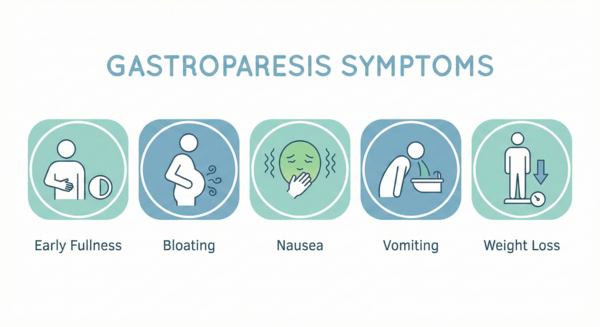
Common Symptoms and Warning Signs to Watch For
Typical signs include early satiety, bloating, upper abdominal discomfort, nausea, vomiting of undigested food hours after eating, and inconsistent appetite. Many people also struggle to tolerate high-fat or high-fiber meals, and unintended weight loss is common. According to the National Institute of Diabetes and Digestive and Kidney Diseases, certain red flags demand urgent attention: vomiting that prevents any fluid intake, severe abdominal pain, black or bloody stools, high fever, or signs of diabetic ketoacidosis. Outside of those emergencies, starting a structured treatment approach right away can produce meaningful improvements fast.
Gastroparesis also shares overlapping features with conditions like GERD and silent reflux (LPR), which is why accurate diagnosis is essential before committing to a treatment path.
How Clinicians Confirm a Gastroparesis Diagnosis
Diagnosis typically involves a combination of history-taking, physical examination, and targeted testing:
- Upper endoscopy rules out ulcers, strictures, or retained food that might mimic gastroparesis. The American Society for Gastrointestinal Endoscopy provides patient-friendly explanations of the procedure.
- Gastric emptying scintigraphy, a standardized solid-meal study, measures how quickly a test meal clears the stomach over four hours. This remains the gold-standard diagnostic tool.
- Alternative tests such as breath testing or a wireless motility capsule are used in select cases when scintigraphy isn’t feasible.
- Lab work and imaging assess contributing factors: thyroid dysfunction, electrolyte imbalances, celiac disease, or medication side effects.
The American College of Gastroenterology notes that accurate testing prevents other conditions from being mislabeled as gastroparesis and ensures treatment is targeted where it will actually help.
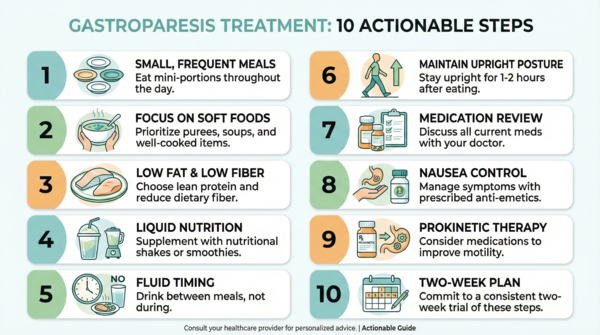
10 Action Steps That Make Gastroparesis Treatment Work
1. Switch to Small, Frequent Meals
Six mini-meals throughout the day are far easier for a sluggish stomach to process than three large ones. Aim for portions roughly the size of your cupped hand. This single shift can ease pressure, reduce nausea, and minimize reflux within just a few days.
2. Choose Soft Textures and Blended Foods
Smooth soups, yogurt, kefir, eggs, mashed potatoes, well-cooked cereals, tender fish, tofu, and smoothies all move through the stomach more efficiently than dense, chewy foods. When blending meals, keep fat content modest and sip slowly.
3. Cut Fat and Modify Fiber Without Sacrificing Nutrition
Both fat and roughage slow gastric emptying. Opt for lean proteins, cook vegetables until very tender, and peel and deseed produce. During flares, skip raw salads and large portions of nuts or seeds. As symptoms ease, reintroduce fiber gradually in cooked forms to maintain gut health. Healthline’s gastroparesis overview offers a helpful breakdown of which foods to prioritize and avoid.
4. Add Liquid Calories When Solid Intake Drops
If solid foods feel overwhelming, lean on nutrition shakes, protein-enriched broths, or lactose-free milk smoothies. These provide energy and buffer weight loss while the stomach recovers.
5. Time Your Fluid Intake Around Meals
Drinking too much fluid with meals can over-distend the stomach. Sip liquids 30 to 60 minutes before or after eating instead. If you need fluids during meals to help with swallowing, keep the volume small.
6. Use Posture and Light Movement to Your Advantage
Stay upright during meals and for at least 60 minutes afterward. A short 10-to-15-minute walk after eating actively encourages gastric movement. Avoid lying down after meals. Patients managing related structural issues such as a hiatal hernia should discuss postural strategies with their specialist, as overlapping anatomy can affect symptom control.
7. Review Every Medication on Your List
Opioids, certain anticholinergics, GLP-1 receptor agonists, and some antidepressants are known to slow gastric motility. Never stop a prescribed medication on your own. Instead, bring your full medication list to your next appointment for a safe review. The FDA’s medication safety pages offer label information you can reference with your clinician.
8. Tackle Nausea Proactively
Rescue medications like ondansetron can interrupt the cycle of poor intake and dehydration. Acid suppressants may help if overlapping reflux is contributing. Using these strategically buys time while other interventions take hold. Patients experiencing both nausea and persistent heartburn can learn more about available care at Tampa Bay Reflux Institute and explore how abdominal hernia and heartburn treatment options may intersect with their gastroparesis management.
9. Ask About Prokinetic Therapy
Metoclopramide is the only FDA-approved prokinetic for gastroparesis; it enhances stomach contractions and can meaningfully reduce symptoms when used appropriately and for the short term. Your clinician will walk through proper dosing and potential side effects. Off-label agents may also be considered based on your individual history. MedlinePlus offers a useful overview of available medications and what to expect from prokinetic therapy.
10. Commit to a Two-Week Plan with Built-In Check-Ins
A focused, short-term horizon covering meal structure, medications, movement, and hydration builds real momentum. Schedule early follow-ups to review progress and labs, then adjust the plan accordingly. Our reflux and digestive health blog features additional guidance on structuring your recovery and navigating follow-up care.
A Practical Gastroparesis Diet You Can Actually Stick To
The goal is maintaining solid nutrition while reducing the digestive workload. Use this three-stage framework and move forward or back depending on how symptoms respond. Harvard Health’s A-to-Z guide on gastroparesis provides additional context on how dietary choices influence gastric motility.
Stage A: Flare Control (Days 1-5)
- Mini-meals every 2-3 hours
- Soft proteins: eggs, yogurt, fish, tofu, cottage cheese
- Starches: cream of rice or wheat, mashed potatoes, white rice, tender pasta
- Produce: peeled, cooked carrots, zucchini, green beans; small portions of ripe banana or canned peaches
- Liquids: broths, oral nutrition supplements, lactose-free milk or alternatives
- Avoid: fried foods, heavy creams, raw produce, tough meats, large salads
Stage B: Building Comfort (Weeks 1-2)
- Maintain mini-meals; gently expand food textures
- Introduce oatmeal, soft sourdough toast, poached chicken, turkey meatballs, or flaky baked fish
- Blend vegetable soups (carrot, squash) to a smooth consistency
- Reintroduce small amounts of healthy fat (olive oil, avocado) with attention to portion size
- Trial small, cooked fruit portions and monitor tolerance
Stage C: Maintenance
- Gradually add tender vegetables in larger amounts; test fiber in cooked forms
- Expand protein variety: lactose-free Greek yogurt, thin layers of nut butter, well-cooked soft legumes like lentils
- Settle into five meals plus one liquid snack as a daily rhythm
- Keep two reliable “calm day” meals ready to deploy during flares
This gastroparesis diet focuses on what you can eat, not just what to cut out. Working with a registered dietitian helps tailor calorie targets, protein needs, and micronutrient support to get weight and energy trending upward.

Managing Diabetes When Gastric Emptying Is Unpredictable
Gastroparesis makes glucose control harder because carbohydrate absorption becomes erratic. WebMD’s gastroparesis resource outlines how unpredictable emptying can complicate insulin management. To stabilize readings:
- Coordinate medication timing and meal spacing with your diabetes care team.
- Consider smaller, more frequent insulin doses or alternate delivery strategies if you use insulin.
- Aim for consistent carbohydrate amounts across each mini-meal.
- Monitor glucose more frequently during adjustments and share logs at follow-up visits.
- Stay well hydrated and avoid large late-night meals that can spike overnight readings.
Small adjustments to both meals and medications can improve symptoms and numbers simultaneously.
When to Escalate: Procedures That Restore Gastric Flow
If symptoms persist despite an optimized treatment plan, procedural options may be appropriate:
- Endoscopic pyloric therapies (such as G-POEM) aim to relax the pyloric valve and improve emptying in eligible patients.
- Gastric electrical stimulation may reduce refractory nausea and vomiting in carefully selected individuals.
- Feeding jejunostomy tubes deliver reliable nutrition when oral intake is insufficient, often used as a bridge to recovery while other treatments are active.
Candidacy, risks, benefits, and local availability should all be discussed with a Tampa Bay Reflux Institute specialist based on your individual test results and treatment response. Patients with complex anatomy, including those who have previously undergone fundoplication surgery or the LINX reflux management system, should ensure their surgical history is factored into any procedural planning. The Cleveland Clinic’s gastroparesis resource offers a broad overview as you weigh options.
A Two-Week Action Plan You Can Follow Starting Today
Days 1-3: Stabilize
- Begin Stage A of the gastroparesis diet
- Take small sips between meals; limit fluids during meals
- Sit upright for an hour post-meal; walk 10-15 minutes daily
- Start prescribed anti-nausea medication and a prokinetic if indicated
- Have your full medication list reviewed for motility-slowing culprits
Days 4-7: Build
- Advance to Stage B foods if nausea is easing
- Keep a one-page log tracking meal timing, textures, and symptoms
- Confirm or adjust your diabetes management plan if applicable
- Aim for a consistent daily walk and a regular sleep window
Days 8-10: Personalize
- Identify two dependable options for each meal of the day
- Blend one calorie-dense smoothie daily if weight is a concern
- If vomiting persists, contact your care team to reassess medications or consider additional testing such as a repeat gastric emptying study
Days 11-14: Decide and Prevent
- If improvement is steady, advance to Stage C; test one new food texture per day
- If symptoms are still blocking progress, review test results with your specialist and discuss endoscopic or surgical options including TIF with EsophyX for eligible patients with concurrent reflux disease
- Save your “good day” meal template to rely on during busy weeks or flare-ups
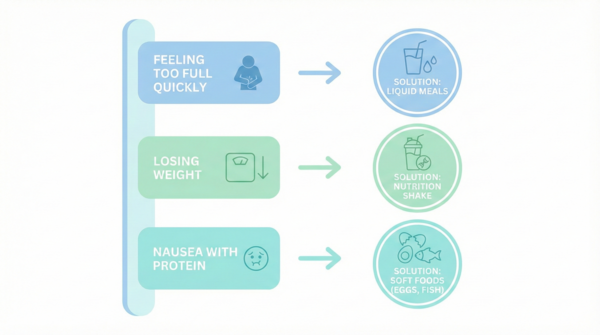
Troubleshooting Common Setbacks
“I feel full after just a few bites.” Lead with liquids or blended options. Pause halfway through the portion, sit upright, and take a brief walk before finishing. Ask about a prokinetic if one hasn’t been prescribed yet.
“I’m losing weight.” Add two small liquid snacks daily: smoothies, lactose-free shakes, or blended soups with added protein. Ask about medical nutrition therapy and, if necessary, temporary tube feeding to protect your weight while the stomach heals. Patients exploring incisionless weight loss procedures in the future should stabilize their gastroparesis management first.
“Protein makes me feel nauseated.” Stick to the softest protein sources: eggs, yogurt, tofu, flaky fish, and avoid dense meats for now. Blending protein into soups often improves tolerance significantly.
“My blood sugar won’t stay stable.” Shorten the gap between smaller meals, adjust insulin timing, and work through options with your diabetes team. Tracking readings and identifying patterns at follow-up is key. Johns Hopkins Medicine’s gastroparesis guide provides useful context on the relationship between delayed emptying and glucose dysregulation.
“My nausea spikes every afternoon.” Front-load your calories earlier in the day. Keep the midday meal very small and soft, and schedule anti-nausea medication proactively before that window hits. Conditions like achalasia can produce similar afternoon symptom patterns, so a thorough evaluation helps confirm you’re treating the right underlying issue. If you need experienced local care, our best hiatal hernia doctors in Tampa, FL page can help connect you with the right specialist for complex motility and reflux concerns.
Conclusion
Gastroparesis can feel overwhelming, but a structured, step-by-step approach makes meaningful relief achievable. By combining smart dietary changes, proactive medication management, regular movement, and timely follow-ups, most people see measurable improvement within the first two weeks. The key is consistency: sticking to small meals, staying upright after eating, and communicating openly with your care team when symptoms shift. For those whose symptoms persist despite lifestyle and medication adjustments, procedural options offer a viable next step. Whether you are newly diagnosed or have been managing gastroparesis for years, working with a specialist such as the experienced team at Tampa Bay Reflux Institute ensures your treatment plan evolves with your needs, keeping you nourished, comfortable, and in control of your digestive health. You can also explore the National Library of Medicine’s clinical overview for an in-depth look at the evidence behind current treatment protocols.
FAQs
Can gastroparesis be cured permanently?
There is no universal cure, but many people achieve long-term symptom control through diet, medications, and lifestyle changes. In some cases, particularly post-viral gastroparesis, the condition may resolve on its own over time.
What is the best diet for gastroparesis?
A low-fat, low-fiber diet made up of small, frequent meals with soft or blended textures works best for most people. Foods like eggs, yogurt, mashed potatoes, and smooth soups are generally well tolerated.
How long does it take to see improvement with gastroparesis treatment?
Many patients notice reduced nausea and bloating within the first one to two weeks of following a structured meal and medication plan. Full improvement may take longer depending on the underlying cause and severity.
Is gastroparesis dangerous if left untreated?
Yes. Untreated gastroparesis can lead to severe dehydration, malnutrition, uncontrolled blood sugar in diabetic patients, and frequent hospitalizations. Early intervention significantly reduces these risks.
When should I see a specialist for gastroparesis?
You should consult a gastroenterologist if symptoms such as persistent vomiting, unintended weight loss, or unstable blood sugar do not improve with initial dietary changes. Specialist evaluation is also essential before considering any procedural treatment options.


An endoscopy cannot tell you if you have reflux. It can only tell you if you have complications of GERD.
If you are unhappy with your reflux symptoms, come in and we can discuss testing and treatments that can accurately diagnose your problem.
#reflux #gerd #hiatalhernia #gastroparesis #linx

CALL US AT 813-922-2920
www.tampareflux.com
If you have a hiatal hernia and fit one of these categories, you should know your options.
Dr. Grandhige is an expert in his field and performs 200 of these surgeries a year. He is the only surgeon in the Tampa Bay Area who offers all surgical options - LINX, Fundoplications, TIF and will be one of 20 surgeons in America introducing the latest procedure RefluxStop in 2026.
We accept most insurances but will verify yours before you come in. These procedures are considered medically necessary and covered by your insurance. You can expect to pay your in-network deductibles and nothing else.
#hiatalhernia #reflux #GERD #LINX #refluxstop
What causes reflux ?
1. Weak lower esophageal sphincter
2. Hiatal hernia
3. Flattening of the Angle of His
4. Poor esophageal motility
5. Gastroparesis (slow stomach)
NOT increased acid production
Don’t let GERD get in the way of living your life. Request your appointment with us today on the link below.
.
.
.
.
https://tampareflux.com/contact-us/
Anyone can be victim to GERD and though weight loss can help reduce GERD symptoms. Many athletes with high impact workouts may continue to have these symptoms. This may be a symptom of a hiatal hernia or other issue. We are more then happy to assist you in finding your solution, just click the link below.
.
.
.
https://tampareflux.com/contact-us/
##healthylifestyle #workout #athletereflux #PPIs #heartburn #LINX #fundoplication #TIF #GERD#tampaheartburn #linx #TIF #fundoplication #tampabayreflux #GERD #acidreflux #acidrefluxsurgery #stopreflux
#nonsurgicalweightloss #ESG #gastricballoon #weightlossjourney #vsg #vsgjourney #spatz3 #orbera #orberaballoon #grandhige #DrG
#tampabayrefluxinstitute #guthealth #roboticsurgery
Heartburn may seem like an annoyance. But if you find yourself having symptoms on a daily basis, it may be time to to talk to Dr. Grandhige as it could be a symptom of something worse.
.
.
.
#chronicheartburn #gerdsymptoms #heartburnrelief #reflux #PPIs #heartburn #LINX #fundoplication #TIF #GERD#tampaheartburn #linx #TIF #fundoplication #tampabayreflux #GERD #acidreflux #acidrefluxsurgery #stopreflux
#nonsurgicalweightloss #ESG #gastricballoon #weightlossjourney #vsg #vsgjourney #spatz3 #orbera #orberaballoon #grandhige #DrG
#tampabayrefluxinstitute #guthealth #roboticsurgery
If you are tired of avoiding your favorite foods or taking daily medications, we can help.
We are the Tampa experts in reflux ! With years of experience and thousands of patients treated successfully, we offer all FDA approved anti-reflux procedures.
Call 813-922-2920 to schedule your appointment
All major insurances accepted.
Not all patients need surgical intervention. Many patients are living a heartburn free life with their PPIs. However 40% of patients taking PPIs are not getting the relief they need. If you are one of those, you have options! Come in and find out more.
.
.
.
.
#letushelpyou #medsnotworking #reflux #PPIs #heartburn #LINX #fundoplication #TIF #GERD#tampaheartburn #linx #TIF #fundoplication #tampabayreflux #GERD #acidreflux #acidrefluxsurgery #stopreflux
#nonsurgicalweightloss #ESG #gastricballoon #weightlossjourney #vsg #vsgjourney #spatz3 #orbera #orberaballoon #grandhige #DrG
#tampabayrefluxinstitute #guthealth #roboticsurgery
#heartburn #stopreflux #hiatalherniarepair #severeheartburn #reflux #tampabayreflux #acidrefluxsurgery #tampaheartburn #GERD #PPIs #achalasia #LINX #TIF #tampareflux #fundoplication #stomach #digestivehealth #ESG #obesity #overweight #weightlossjourney #gastricballoon


