

Written By: Jeffrey Atlas, Health Content Writer
Medically Reviewed By: Dr. Gopal Grandhige, MD, FACS, Board-Certified Surgeon
Last Reviewed: February 16, 2026
Acid reflux and GERD are not the same condition. Acid reflux occurs when stomach acid flows backward into your esophagus, causing temporary heartburn. GERD (gastroesophageal reflux disease) is chronic acid reflux that happens more than twice weekly for over two weeks, caused by esophageal inflammation that requires medical treatment.
Understanding this difference matters: occasional heartburn is normal and manageable with lifestyle changes, but persistent symptoms may indicate GERD, which can lead to serious complications including Barrett’s esophagus and esophageal cancer if left untreated. This guide explains how to identify which condition you have, what triggers them, and when to seek medical care.
Understanding Acid Reflux and Its Symptoms
Acid reflux occurs when stomach acid flows backward into your esophagus. You might also hear it referred to as “heartburn” or “acid indigestion.” The discomfort varies from slight irritation to an intense burning feeling. Your throat may become irritated, your chest might feel constricted, and occasionally you could experience mucus-producing coughs. People frequently confuse acid reflux with gastroesophageal reflux disease (GERD).
Typically, acid reflux symptoms subside soon after a meal since food helps counteract the stomach acid. In contrast, when GERD is present, symptoms can continue and potentially intensify as time passes.
What Triggers Acid Reflux?
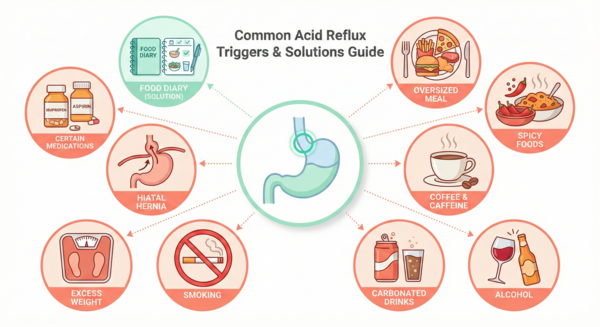
Acid reflux results from stomach acid backing up into your esophagus. Multiple factors can trigger this reaction, such as:
- Overeating or consuming food too rapidly
- Eating trigger foods including high-fat dishes, spicy meals, caffeinated beverages, alcoholic drinks, and fizzy sodas
- Tobacco use
- Excess body weight or pregnancy
- A hiatal hernia, when a portion of your stomach protrudes into your chest area
- Using specific medications such as ibuprofen, aspirin, or corticosteroids
Understanding your personal triggers is essential for managing symptoms effectively and preventing episodes from occurring. Keeping a food diary can help identify patterns and specific triggers unique to your body’s response to different foods and lifestyle factors.
GERD Explained: Symptoms to Watch For
GERD represents a more serious condition compared to acid reflux. Rather than being triggered by excess stomach acid flowing upward, it stems from esophageal inflammation. Primary GERD symptoms include:
- Persistent heartburn lasting beyond two weeks
- Throat burning sensations
- Discomfort in the chest area
- Chronic dry cough
- Swallowing difficulties
- Voice hoarseness
Experiencing these symptoms warrants medical consultation. Without proper treatment, GERD may progress to serious complications, including esophageal cancer.
The Barrett’s Esophagus Connection: A Critical Intermediate Stage
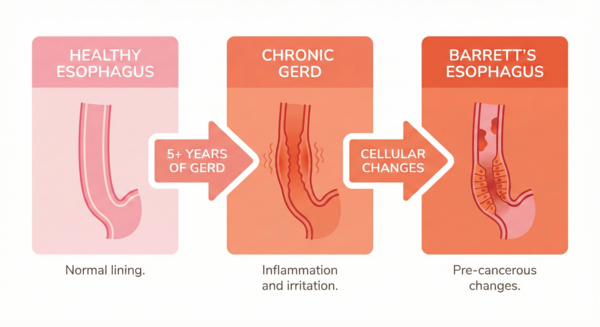
When GERD remains untreated for extended periods, typically five years or longer, it can lead to a precancerous condition called Barrett’s esophagus, where normal esophageal tissue is replaced with abnormal cells. Research indicates that patients with non-dysplastic Barrett’s esophagus have an annual cancer risk of approximately 0.12%, though this risk increases substantially with the presence of dysplasia. Interestingly, many patients with Barrett’s esophagus experience a disappearance of their GERD symptoms, which can create a false sense of security. This is particularly dangerous because the cellular changes continue progressing silently. Medical experts recommend that anyone with GERD symptoms lasting more than five years, especially males over 50 or those with a hiatal hernia, should undergo an endoscopy to screen for Barrett’s esophagus. Early detection through regular surveillance allows for interventions like radiofrequency ablation that can prevent progression to cancer.
Key Distinctions Between Acid Reflux and GERD
The fundamental distinction lies in severity: acid reflux is the milder form, whereas GERD is more serious. Stomach acid backing up into the esophagus triggers acid reflux, while esophageal inflammation drives GERD.
Acid reflux primarily manifests as chest and throat discomfort, while GERD presents with prolonged heartburn exceeding two weeks, throat burning, chest discomfort, swallowing challenges, and voice changes. Medical evaluation is crucial if you notice these symptoms.

When to Seek Medical Attention: Warning Signs You Shouldn’t Ignore
While occasional heartburn is manageable with lifestyle changes and over-the-counter remedies, certain symptoms demand immediate medical evaluation. If you experience persistent heartburn lasting more than two weeks despite treatment, it’s time to consult a healthcare provider. More alarming warning signs include difficulty swallowing (especially if food feels stuck in your chest), unintentional weight loss, persistent nausea or vomiting, blood in your stool or vomit, and chronic hoarseness or coughing that doesn’t respond to typical treatments. New-onset acid reflux after age 50, particularly if you’ve never experienced it before, warrants prompt medical assessment as this can sometimes signal more serious underlying conditions. Additionally, if you find yourself increasingly dependent on antacids or proton pump inhibitors, taking them daily or multiple times a day, this indicates your condition requires professional management rather than self-treatment. Early intervention not only provides relief but can prevent the progression to Barrett’s esophagus and reduce your long-term cancer risk significantly.
Treatment Approaches for Acid Reflux and GERD
Multiple treatment options exist for managing both acid reflux and GERD. The crucial first step involves pinpointing your symptom triggers and eliminating them. Consider these additional strategies:
- Consume smaller portions and chew food thoroughly.
- Eliminate trigger foods: high-fat items, spicy dishes, caffeinated drinks, alcohol, and carbonated beverages.
- Tobacco use exacerbates both conditions, making cessation beneficial.
- Weight reduction may help if you’re carrying extra pounds, and for those needing additional support, incisionless weight loss procedures may be an option.
- Seek medical intervention for hiatal hernia treatment.
- Consider over-the-counter remedies such as antacids or H2-receptor antagonists for acid management.
- Your physician might prescribe proton pump inhibitors (PPIs) for GERD management in certain situations.
Managing both conditions often involves combining over-the-counter treatments with lifestyle modifications. Should symptoms persist or deteriorate despite these measures, your healthcare provider may recommend prescription medications like proton pump inhibitors (PPIs) for GERD control.
Understanding Your Personal Risk Factors Beyond the Basics
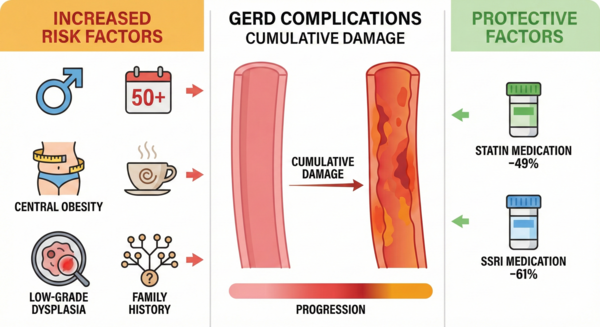
While the blog mentions common GERD triggers, certain factors significantly increase your risk of progression from simple acid reflux to serious complications. Studies confirm that long-term GERD is strongly associated with esophageal and laryngeal cancers, with risk elevated for white males, those over 50, and individuals with central obesity. Beyond these demographics, research has identified that caffeine intake and low-grade dysplasia increase progression risk, while statin or SSRI medication use may reduce risk by 49% and 61% respectively. Family history of esophageal cancer or Barrett’s esophagus also warrants heightened vigilance. If you’ve been managing GERD symptoms with over-the-counter medications for years, it’s crucial to recognize that while these provide symptom relief, they don’t address the underlying valve malfunction causing the reflux. This means the acid exposure continues even when you feel better, potentially causing cumulative damage that increases cancer risk over time.
Conclusion
Understanding the distinction between acid reflux and GERD is essential for protecting your long-term health. While occasional acid reflux is common and manageable through lifestyle modifications, GERD represents a chronic condition requiring medical attention to prevent serious complications. The progression from simple heartburn to Barrett’s esophagus and potentially esophageal cancer underscores the importance of not dismissing persistent symptoms. If you’re experiencing heartburn more than twice a week or have been managing symptoms with over-the-counter medications for extended periods, it’s time to consult a healthcare provider. Early intervention through proper diagnosis, appropriate treatment, and regular monitoring can significantly reduce your risk of complications and improve your quality of life. Remember, while lifestyle changes form the foundation of management for both conditions, professional medical guidance ensures you’re addressing the root cause rather than merely masking symptoms.
For patients seeking specialized reflux treatment in Tampa, advanced surgical options like fundoplication surgery, the LINX Reflux Management System, and TIF EsophyX procedures offer long-term solutions when conservative treatments aren’t sufficient. If you’re also experiencing related conditions such as silent reflux (LPR), achalasia, or gastroparesis, comprehensive evaluation by experienced reflux specialists can help determine the most effective treatment approach for your specific situation. Learn more about digestive health topics and treatment options available to you.
FAQs
How often is acid reflux considered normal versus a sign of GERD?
Occasional acid reflux after large meals or certain foods is normal and affects most people. If you experience heartburn more than twice weekly or symptoms persist beyond two weeks, you likely have GERD and should seek medical evaluation.
Can GERD be cured, or is it a lifelong condition?
GERD can often be effectively managed and symptoms controlled through lifestyle changes and medication, but it typically requires ongoing management. In some cases, surgical interventions may provide a more permanent solution by correcting the underlying valve dysfunction.
Are proton pump inhibitors (PPIs) safe for long-term use?
PPIs are generally safe for long-term use under medical supervision, though prolonged use may carry some risks including nutrient deficiencies and bone density concerns. Your doctor should regularly evaluate whether continued use is necessary and monitor for any adverse effects.
What is Barrett’s esophagus and should I be screened for it?
Barrett’s esophagus is a precancerous condition where chronic acid exposure changes esophageal tissue cells. Anyone with GERD symptoms lasting over five years, especially males over 50, should discuss endoscopic screening with their doctor.
Can stress cause acid reflux or GERD?
While stress doesn’t directly cause acid reflux, it can worsen symptoms by affecting eating habits, increasing stomach acid production, and making you more sensitive to pain. Managing stress through relaxation techniques may help reduce symptom frequency and severity.


An endoscopy cannot tell you if you have reflux. It can only tell you if you have complications of GERD.
If you are unhappy with your reflux symptoms, come in and we can discuss testing and treatments that can accurately diagnose your problem.
#reflux #gerd #hiatalhernia #gastroparesis #linx

CALL US AT 813-922-2920
www.tampareflux.com
If you have a hiatal hernia and fit one of these categories, you should know your options.
Dr. Grandhige is an expert in his field and performs 200 of these surgeries a year. He is the only surgeon in the Tampa Bay Area who offers all surgical options - LINX, Fundoplications, TIF and will be one of 20 surgeons in America introducing the latest procedure RefluxStop in 2026.
We accept most insurances but will verify yours before you come in. These procedures are considered medically necessary and covered by your insurance. You can expect to pay your in-network deductibles and nothing else.
#hiatalhernia #reflux #GERD #LINX #refluxstop
What causes reflux ?
1. Weak lower esophageal sphincter
2. Hiatal hernia
3. Flattening of the Angle of His
4. Poor esophageal motility
5. Gastroparesis (slow stomach)
NOT increased acid production
Don’t let GERD get in the way of living your life. Request your appointment with us today on the link below.
.
.
.
.
https://tampareflux.com/contact-us/
Anyone can be victim to GERD and though weight loss can help reduce GERD symptoms. Many athletes with high impact workouts may continue to have these symptoms. This may be a symptom of a hiatal hernia or other issue. We are more then happy to assist you in finding your solution, just click the link below.
.
.
.
https://tampareflux.com/contact-us/
##healthylifestyle #workout #athletereflux #PPIs #heartburn #LINX #fundoplication #TIF #GERD#tampaheartburn #linx #TIF #fundoplication #tampabayreflux #GERD #acidreflux #acidrefluxsurgery #stopreflux
#nonsurgicalweightloss #ESG #gastricballoon #weightlossjourney #vsg #vsgjourney #spatz3 #orbera #orberaballoon #grandhige #DrG
#tampabayrefluxinstitute #guthealth #roboticsurgery
Heartburn may seem like an annoyance. But if you find yourself having symptoms on a daily basis, it may be time to to talk to Dr. Grandhige as it could be a symptom of something worse.
.
.
.
#chronicheartburn #gerdsymptoms #heartburnrelief #reflux #PPIs #heartburn #LINX #fundoplication #TIF #GERD#tampaheartburn #linx #TIF #fundoplication #tampabayreflux #GERD #acidreflux #acidrefluxsurgery #stopreflux
#nonsurgicalweightloss #ESG #gastricballoon #weightlossjourney #vsg #vsgjourney #spatz3 #orbera #orberaballoon #grandhige #DrG
#tampabayrefluxinstitute #guthealth #roboticsurgery
If you are tired of avoiding your favorite foods or taking daily medications, we can help.
We are the Tampa experts in reflux ! With years of experience and thousands of patients treated successfully, we offer all FDA approved anti-reflux procedures.
Call 813-922-2920 to schedule your appointment
All major insurances accepted.
Not all patients need surgical intervention. Many patients are living a heartburn free life with their PPIs. However 40% of patients taking PPIs are not getting the relief they need. If you are one of those, you have options! Come in and find out more.
.
.
.
.
#letushelpyou #medsnotworking #reflux #PPIs #heartburn #LINX #fundoplication #TIF #GERD#tampaheartburn #linx #TIF #fundoplication #tampabayreflux #GERD #acidreflux #acidrefluxsurgery #stopreflux
#nonsurgicalweightloss #ESG #gastricballoon #weightlossjourney #vsg #vsgjourney #spatz3 #orbera #orberaballoon #grandhige #DrG
#tampabayrefluxinstitute #guthealth #roboticsurgery
#heartburn #stopreflux #hiatalherniarepair #severeheartburn #reflux #tampabayreflux #acidrefluxsurgery #tampaheartburn #GERD #PPIs #achalasia #LINX #TIF #tampareflux #fundoplication #stomach #digestivehealth #ESG #obesity #overweight #weightlossjourney #gastricballoon


