

Written By: Jeffrey Atlas, Health Content Writer
Medically Reviewed By: Dr. Gopal Grandhige, MD, FACS, Board-Certified Surgeon
Last Reviewed: February 9, 2026
Gastroparesis causes bloating when the stomach’s muscles fail to contract properly, trapping food and causing abdominal distension. This delayed gastric emptying affects approximately 715,000 diagnosed Americans, with a prevalence of 268 per 100,000 adults. Bloating occurs because undigested food remains in the stomach longer than normal, creating feelings of fullness, tightness, and swelling. To reduce gastroparesis bloating, eat five to eight smaller meals daily, avoid high-fat and high-fiber foods like beans and cheese, stay upright for two hours after eating, and choose easily digestible options including eggs, peanut butter, and pureed vegetables. Medical treatments include prokinetic agents like metoclopramide and erythromycin, while avoiding medications that worsen symptoms such as anti-diarrheal drugs, opioid pain relievers, and fiber supplements. Women represent 65-75% of cases, with over half stemming from diabetes complications. Managing both physical symptoms and mental health, as nearly 50% of patients experience concurrent psychiatric disorders, improves treatment outcomes and quality of life.
Bloating ranks among the primary indicators of gastroparesis, a sensation of distension or pressure in your abdominal region.
Gastroparesis describes a medical condition where your stomach transfers its contents to the small intestine at a slower rate than normal. Medical professionals call this delayed gastric emptying.
This condition can develop following a viral illness, ongoing diseases like diabetes, specific pharmaceutical drugs, or surgical interventions such as weight loss surgery that affect digestive function. Medical experts believe disrupted nerve communication in the stomach triggers this condition.
Beyond bloating, gastroparesis manifests through additional indicators including:
- persistent nausea
- episodes of vomiting
- stomach discomfort
- constant sensation of fullness, occurring even before consuming food
This guide explores effective strategies for addressing gastroparesis-related bloating through pharmaceutical options and nutritional adjustments.

Understanding the Growing Impact of Gastroparesis
Gastroparesis affects approximately 715,000 diagnosed individuals in the United States as of 2024, with numbers expected to rise due to increasing diabetes prevalence and improved diagnostic capabilities. Research shows the condition has a standardized prevalence of about 268 per 100,000 US adults, though many cases remain undiagnosed or misidentified as other gastrointestinal disorders. Women represent 65-75% of diagnosed cases, possibly influenced by hormonal effects on digestive motility. More than half of gastroparesis cases stem from diabetes complications, followed by post-surgical causes at 15%, drug-induced at nearly 12%, and idiopathic origins at about 11%. Understanding these statistics helps patients recognize they’re not alone in managing this challenging condition and underscores the importance of proper diagnosis and treatment.
Does Gastroparesis Lead to Bloating?
With gastroparesis, your stomach’s muscular walls fail to contract appropriately, preventing proper food movement through your digestive system. Consequently, food moves from the stomach into the small intestine at an abnormally slow pace, or stops moving entirely.
When undigested food remains in your stomach for extended periods, your stomach expands. You may experience sensations of fullness, tightness, or swelling commonly described as bloating.
This condition also decelerates your digestive processes, potentially triggering constipation. Additional bloating sensations arise from excessive gas produced by intestinal bacteria in your large intestine and accumulated waste material in your bowels.
Effective Solutions for Gastroparesis-Related Bloating
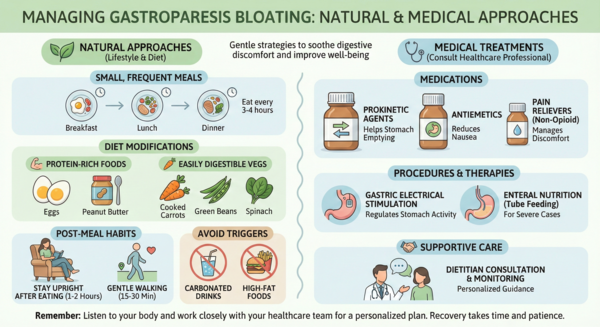
You can address gastroparesis bloating through nutritional modifications, lifestyle adjustments, and pharmaceutical interventions that facilitate stomach emptying while maintaining adequate nutritional intake.
Natural Approaches
Medical professionals often recommend attempting natural remedies and dietary modifications first, as pharmaceutical treatments may produce undesirable reactions.
Nutritional Strategy for Gastroparesis
A nutrition specialist can identify foods your digestive system processes more efficiently while ensuring nutritional adequacy. Prioritize protein-rich foods and easily digestible vegetables in your gastroparesis eating plan.
Recommended options include:
- eggs
- peanut butter
- pureed vegetables and fruits
- white bread
To minimize gastroparesis bloating, limit or eliminate foods containing high fat or fiber content. Foods to restrict include:
- beans
- broccoli
- cheese
- heavy cream
- excessive oils
Consume Smaller Portions
Distributing your food intake across five to eight smaller portions daily prevents your stomach from becoming overly full and distended.
Stay Upright Following Meals
Gravity assists with digestion and stomach emptying. Remaining in an upright position may alleviate bloating and fullness sensations after eating. Refrain from lying down or bending forward for several hours post-meal.
Skip Fizzy Drinks
Carbonated beverages combine gas with liquid. This additional gas intensifies bloating sensations, making these drinks best avoided.
Engage in Gentle Movement
Gentle physical activity following meals, like taking an easy walk, accelerates stomach emptying and diminishes bloating.
Pharmaceutical Interventions
Medications that enhance gastric emptying may relieve gastroparesis bloating. Options include:
- prokinetic agents, including metoclopramide (Reglan)
- erythromycin, classified as an antibiotic
When pharmaceutical and dietary approaches prove insufficient, medical professionals may suggest a minimally invasive surgical intervention to relax the muscular valve regulating content flow from stomach to small intestine.
Another option involves surgically placing a gastric electric stimulator in your body. This device delivers gentle electrical impulses that activate digestive tract muscles and accelerate gastric emptying.
Medications That Worsen Gastroparesis
When experiencing gastroparesis bloating, steer clear of these medications:
- anti-diarrheal drugs like loperamide (Imodium), which reduce digestive tract muscle activity and commonly cause constipation and abdominal discomfort
- opioid pain relievers including codeine or morphine, which trigger constipation
- fiber supplements like Citrucel and Metamucil, which occupy stomach space and delay gastric emptying
Consult your physician about whether any current medications might be interfering with stomach emptying.

The Mental Health Connection: Addressing the Emotional Toll
Living with gastroparesis extends beyond physical symptoms to significantly impact mental and emotional wellbeing. Studies reveal that mental health ranks as the most common social need among gastroparesis patients, with quality of life affected by a combination of symptom severity, depression, anxiety, and individual coping strategies. Nearly 50% of gastroparesis patients experience concurrent psychiatric disorders, which can intensify symptom perception and reduce treatment effectiveness. Research shows that 43% of patients have at least one health-related social need, with those experiencing mental health challenges reporting more severe gastroparesis symptoms and lower quality of life scores. This bidirectional relationship means that managing emotional health through counseling, support groups, or stress-reduction techniques can complement medical treatments and improve overall outcomes for those dealing with gastroparesis-related bloating and other symptoms.
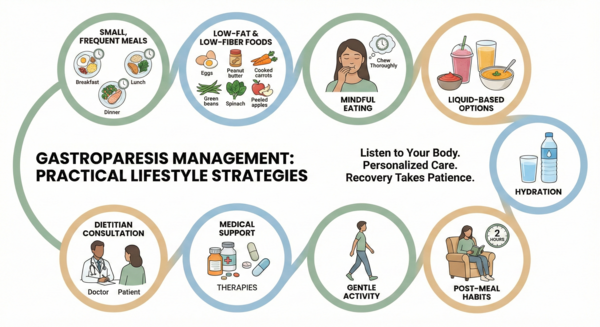
Strategies for Living with Gastroparesis
Your initial focus in gastroparesis management should address any identifiable root cause. For instance, diabetes-triggered gastroparesis requires blood sugar management medications.
Your physician may prescribe medications to eliminate nausea and vomiting. They’ll likely suggest implementing several dietary and lifestyle modifications.
Effective gastroparesis management strategies include:
- steering clear of large portions
- restricting solid foods high in fat or fiber
- thoroughly chewing your food
- eliminating raw or fresh fruits and vegetables
- adopting a liquid-based diet
- consuming water with meals
- remaining upright for approximately 2 hours following meals
Conclusion
Managing bloating related to gastroparesis requires a multifaceted approach that combines dietary modifications, lifestyle adjustments, and medical interventions tailored to your individual needs. By working closely with experienced gastroenterologists and implementing strategies such as eating smaller, more frequent meals, choosing easily digestible foods, and staying upright after eating, many people can significantly reduce their bloating symptoms and improve their quality of life.
At Tampa Reflux Center, our team understands that gastroparesis affects hundreds of thousands of Americans, and you’re not alone in navigating this condition. While the physical symptoms can be challenging, addressing both the medical and emotional aspects of gastroparesis through proper treatment, support systems, and stress management techniques can help you regain control and maintain optimal wellbeing. If you’re experiencing persistent bloating or other gastroparesis symptoms, we encourage you to learn more about our practice or contact us to develop a comprehensive management plan that works for you.
For more information about digestive conditions and treatments, visit our blog for expert insights or learn about related conditions such as GERD, hiatal hernias, silent reflux, and achalasia. We also offer advanced treatment options including fundoplication surgery, the LINX Reflux Management System, and TIF procedures. For those dealing with abdominal hernia and heartburn symptoms, we provide comprehensive evaluation and treatment. For comprehensive research on gastroparesis, consult NCBI’s clinical resources.
FAQs
What is the main cause of bloating in gastroparesis?
Bloating occurs because the stomach’s muscles don’t contract properly, causing food to remain in the stomach longer than normal, which leads to stomach expansion and feelings of fullness. The delayed digestion can also cause constipation and excess gas production, further contributing to bloating sensations.
Should I avoid all high-fat and high-fiber foods with gastroparesis?
Yes, limiting or eliminating foods high in fat or fiber is recommended as they are harder to digest and can worsen bloating. Focus instead on easily digestible options like eggs, peanut butter, pureed vegetables, and white bread.
How many meals should I eat per day with gastroparesis?
It’s recommended to eat five to eight smaller meals throughout the day rather than three large ones. This prevents your stomach from becoming overly full and helps minimize bloating and distension.
Can medications make gastroparesis bloating worse?
Yes, certain medications like anti-diarrheal drugs (Imodium), opioid pain relievers, and fiber supplements can worsen symptoms by slowing digestion further. Always consult your physician about whether your current medications might be interfering with stomach emptying.
Does gastroparesis affect mental health?
Yes, nearly 50% of gastroparesis patients experience concurrent psychiatric disorders, and mental health is the most common social need among patients. Managing emotional wellbeing through counseling, support groups, or stress-reduction techniques can complement medical treatments and improve overall outcomes.


An endoscopy cannot tell you if you have reflux. It can only tell you if you have complications of GERD.
If you are unhappy with your reflux symptoms, come in and we can discuss testing and treatments that can accurately diagnose your problem.
#reflux #gerd #hiatalhernia #gastroparesis #linx

CALL US AT 813-922-2920
www.tampareflux.com
If you have a hiatal hernia and fit one of these categories, you should know your options.
Dr. Grandhige is an expert in his field and performs 200 of these surgeries a year. He is the only surgeon in the Tampa Bay Area who offers all surgical options - LINX, Fundoplications, TIF and will be one of 20 surgeons in America introducing the latest procedure RefluxStop in 2026.
We accept most insurances but will verify yours before you come in. These procedures are considered medically necessary and covered by your insurance. You can expect to pay your in-network deductibles and nothing else.
#hiatalhernia #reflux #GERD #LINX #refluxstop
What causes reflux ?
1. Weak lower esophageal sphincter
2. Hiatal hernia
3. Flattening of the Angle of His
4. Poor esophageal motility
5. Gastroparesis (slow stomach)
NOT increased acid production
Don’t let GERD get in the way of living your life. Request your appointment with us today on the link below.
.
.
.
.
https://tampareflux.com/contact-us/
Anyone can be victim to GERD and though weight loss can help reduce GERD symptoms. Many athletes with high impact workouts may continue to have these symptoms. This may be a symptom of a hiatal hernia or other issue. We are more then happy to assist you in finding your solution, just click the link below.
.
.
.
https://tampareflux.com/contact-us/
##healthylifestyle #workout #athletereflux #PPIs #heartburn #LINX #fundoplication #TIF #GERD#tampaheartburn #linx #TIF #fundoplication #tampabayreflux #GERD #acidreflux #acidrefluxsurgery #stopreflux
#nonsurgicalweightloss #ESG #gastricballoon #weightlossjourney #vsg #vsgjourney #spatz3 #orbera #orberaballoon #grandhige #DrG
#tampabayrefluxinstitute #guthealth #roboticsurgery
Heartburn may seem like an annoyance. But if you find yourself having symptoms on a daily basis, it may be time to to talk to Dr. Grandhige as it could be a symptom of something worse.
.
.
.
#chronicheartburn #gerdsymptoms #heartburnrelief #reflux #PPIs #heartburn #LINX #fundoplication #TIF #GERD#tampaheartburn #linx #TIF #fundoplication #tampabayreflux #GERD #acidreflux #acidrefluxsurgery #stopreflux
#nonsurgicalweightloss #ESG #gastricballoon #weightlossjourney #vsg #vsgjourney #spatz3 #orbera #orberaballoon #grandhige #DrG
#tampabayrefluxinstitute #guthealth #roboticsurgery
If you are tired of avoiding your favorite foods or taking daily medications, we can help.
We are the Tampa experts in reflux ! With years of experience and thousands of patients treated successfully, we offer all FDA approved anti-reflux procedures.
Call 813-922-2920 to schedule your appointment
All major insurances accepted.
Not all patients need surgical intervention. Many patients are living a heartburn free life with their PPIs. However 40% of patients taking PPIs are not getting the relief they need. If you are one of those, you have options! Come in and find out more.
.
.
.
.
#letushelpyou #medsnotworking #reflux #PPIs #heartburn #LINX #fundoplication #TIF #GERD#tampaheartburn #linx #TIF #fundoplication #tampabayreflux #GERD #acidreflux #acidrefluxsurgery #stopreflux
#nonsurgicalweightloss #ESG #gastricballoon #weightlossjourney #vsg #vsgjourney #spatz3 #orbera #orberaballoon #grandhige #DrG
#tampabayrefluxinstitute #guthealth #roboticsurgery
#heartburn #stopreflux #hiatalherniarepair #severeheartburn #reflux #tampabayreflux #acidrefluxsurgery #tampaheartburn #GERD #PPIs #achalasia #LINX #TIF #tampareflux #fundoplication #stomach #digestivehealth #ESG #obesity #overweight #weightlossjourney #gastricballoon


