

Written By: Jeffrey Atlas, Health Content Writer
Medically Reviewed By: Dr. Gopal Grandhige, MD, FACS, Board-Certified Surgeon
Last Reviewed: February 1, 2026
Hiatal hernia surgery is a procedure that repairs a condition where the stomach pushes through the diaphragm opening into the chest cavity. At Tampa Reflux Center, our specialists provide comprehensive treatment for this condition. Large hiatal hernias typically require surgical correction, though less severe symptoms can be managed with medication, smaller frequent meals, and lifestyle modifications like elevating the head of your bed. The surgery takes 2-3 hours under general anesthesia, with most patients discharged the next day and returning to work within 3-4 weeks. Warning signs requiring emergency surgery include intense chest discomfort, vomiting episodes, and complete inability to retain food, symptoms that indicate strangulation, which occurs in 2 out of 100 cases annually. The procedure eliminates or significantly improves acid reflux symptoms and restores normal eating patterns, with the surgeon repositioning organs and wrapping the upper stomach around the lower esophagus to reinforce the repair.
Understanding Hiatal Hernia
The esophagus travels from the chest cavity into the abdomen through a small opening (hiatus) in the diaphragm. Under normal circumstances, this opening accommodates the esophagus perfectly while securing the stomach within the abdominal region. When this gap becomes enlarged, the upper portion of the stomach, or in severe instances, the entire stomach along with other organs, may migrate upward through this opening into the chest cavity. This displacement disrupts the natural anatomical barrier between the chest and abdominal cavities, interfering with proper digestive function. The weakening of the diaphragmatic muscle tissue around the hiatus can occur gradually due to aging, increased abdominal pressure from obesity or pregnancy, or repetitive strain from chronic coughing. As the condition progresses, patients may experience increasing difficulty with digestion and breathing complications. The hiatal opening may stretch over time, particularly in individuals who have sustained abdominal trauma or have connective tissue disorders that affect muscle integrity. Understanding the mechanical nature of this condition helps patients recognize why symptoms worsen and why surgical intervention becomes necessary for larger hernias that cannot spontaneously resolve.

Advantages of Surgical Intervention
The surgical procedure aims to eliminate or substantially reduce your symptoms. Should acid reflux present as a concern, the surgeon can execute an accompanying fundoplication procedure during the same operation to address this issue. Beyond symptom relief, surgical repair restores proper anatomical positioning of your digestive organs, preventing future complications and deterioration. Patients who undergo successful surgery often report improved breathing capacity, better sleep quality due to reduced nighttime reflux, and enhanced overall digestive comfort. The procedure provides a permanent structural correction rather than temporary symptom management, addressing the root cause of discomfort and reducing long-term dependence on medications. Surgical correction also eliminates the progressive enlargement risk that comes with conservative management alone. Many patients find they can discontinue daily acid-suppressing medications following successful repair, reducing healthcare costs and potential side effects from long-term medication use. The restoration of normal anatomy allows for improved nutritional absorption and weight maintenance in patients who previously struggled with eating difficulties.
Alternative Treatment Options
Significant hiatal hernias require surgical correction for resolution. However, symptom management is possible through specific measures: consuming smaller, more frequent meals and maintaining a regular anti-acid medication regimen if acid reflux occurs. Acid-reducing medications effectively manage reflux symptoms and promote esophageal healing in most patients. Additional conservative approaches include avoiding trigger foods such as citrus, chocolate, caffeine, and spicy dishes that exacerbate reflux symptoms. Wearing loose-fitting clothing around the abdomen, maintaining proper posture during and after meals, and practicing stress-reduction techniques can provide supplementary relief. Weight loss through balanced nutrition and regular physical activity often reduces pressure on the diaphragm, potentially alleviating some symptoms in overweight patients. Proton pump inhibitors and H2 blockers remain the most commonly prescribed medications for managing acid production and protecting esophageal tissue from damage. Patients should also consider sleeping on an incline using bed risers rather than just pillows, as this provides more consistent elevation throughout the night and prevents sliding down during sleep.

Consequences of Postponing or Declining Surgery
Surgery typically remains elective, allowing continued symptom management through medication.
Previous emergency hospitalization for stomach “twisting” resulting from hiatal hernia necessitates discussion about recurrence risk. This condition carries serious implications and can become life-threatening in certain situations.
Medication can effectively control less severe symptoms.
Adhering to dietary and fluid intake recommendations from your physician while maintaining optimal body weight proves essential. Implement smaller, more frequent meals at consistent times, avoiding food consumption within 2 hours of bedtime. Elevating the head of your bed during sleep helps minimize acid reflux and vomiting episodes.
The hernia tends to enlarge progressively. An expanding hernia presents dangers as stomach entrapment may occur, compromising blood flow (strangulation) with a risk of 2 in 100 cases annually.
Strangulation warning signs include:
- Intense chest discomfort
- Vomiting episodes
- Complete inability to retain food
This represents a medical emergency requiring immediate life-saving surgery, carrying elevated risks for severe complications.
Surgical Procedure Details
The operation proceeds under general anesthesia, typically lasting 2 to 3 hours.
The surgeon temporarily repositions the liver to obtain clear visualization of the hiatal hernia and diaphragmatic opening. Surrounding tissues undergo careful release, and the hernia lining is extracted from the chest cavity. The surgeon restores the esophagus, stomach, and affected organs to their anatomical positions. Diaphragmatic stitching reduces the hiatus size to permit only esophageal passage.
Typically, the surgeon wraps and secures the stomach’s upper section around the lower esophagus. This technique reinforces the repair and may alleviate acid reflux symptoms when present. Alternative minimally invasive options like the LINX system or TIF procedures may also be considered depending on your specific condition.
Pre-Operative Preparation Steps
Smoking cessation immediately reduces complication risks and enhances long-term wellness.
Maintaining optimal body weight is crucial, as excess weight increases complication probability. For patients seeking weight management support, incisionless weight loss procedures may be discussed with your healthcare team.
Consistent exercise regimens facilitate surgical preparation, accelerate recovery, and promote lasting health benefits. Consult the healthcare team or general practitioner before initiating exercise programs.
Discuss necessary vaccinations with the healthcare team to minimize serious illness risk during recovery. Upon hospital admission, practice diligent hand hygiene and wear face coverings when instructed. For more information about preparing for your procedure, review comprehensive surgical guidelines.
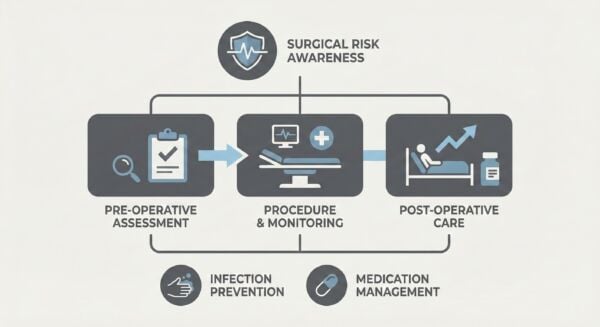
Potential Complications
Certain complications carry serious consequences, including mortality risk.
Universal Surgical Risks
- Hemorrhage
- Surgical site infection
- Incisional hernia development
- Allergic responses to equipment, materials, or medications
- Deep vein thrombosis
- Pulmonary embolism
- Respiratory infection
- Cardiac arrhythmia
- Myocardial infarction
- Mortality
Operation-Specific Risks
Laparoscopic Surgery Complications
- Surgical emphysema (skin crackling from trapped carbon dioxide)
- Structural damage to bowel, liver, or blood vessels
- Port site hernia formation
- Gas embolism
Hiatal Hernia Surgery Complications
- Temporary swallowing difficulties lasting several months
- Pneumothorax (air leakage around the lung)
- Wrap stitch disruption from retching or vomiting in early weeks
- Esophageal or stomach perforation
- Liver injury during retraction
- Wrap migration through the gap into the chest
- Mesh erosion into the esophagus or stomach
Procedural Outcomes
- Post-operative pain
- Skin scarring
Extended-Term Concerns
- Persistent swallowing difficulties
- Abnormal tissue adhesion formation
- Weight reduction during initial 2 months
- Abdominal discomfort
- Diarrhea
- Hiatal hernia recurrence
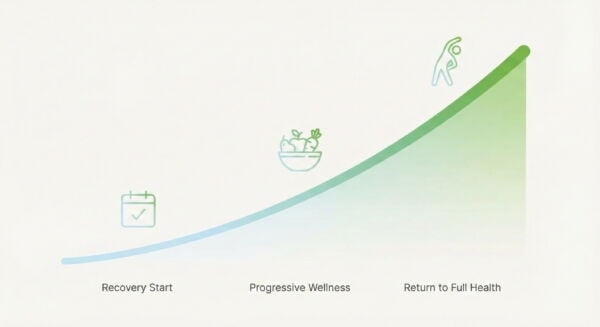
Recovery Timeline
Hospital discharge typically occurs the following day.
Careful eating habits require slow consumption and thorough food mastication. Patients with gastroparesis or other digestive motility disorders may require additional dietary modifications during recovery.
Work resumption becomes feasible after 3 to 4 weeks, varying with surgical extent and occupation type.
Your physician may recommend avoiding manual labor temporarily. Refrain from heavy lifting for several weeks.
Consistent exercise participation facilitates prompt return to standard activities. Seek healthcare team or general practitioner guidance before commencing exercise routines.
Complete recovery is anticipated, with acid reflux symptoms eliminated or significantly improved. Normal eating and drinking patterns should resume without nausea.
Conclusion
Surgical treatment for large hiatal hernias offers a definitive solution to alleviate symptoms and prevent serious complications such as strangulation. While the procedure carries inherent risks common to major surgery, most patients experience significant improvement in quality of life, with resolution of acid reflux and restoration of normal eating patterns. For those with severe symptoms or previous emergency complications, surgery provides lasting relief and reduces the risk of life-threatening emergencies. With proper preparation, including smoking cessation and weight management, patients can optimize their surgical outcomes and expect to return to normal activities within several weeks of the procedure. To learn more about our team and treatment options or schedule a consultation, reach out to a qualified hiatal hernia specialist today. For more educational resources, visit our blog.
FAQs
How long does it take to recover from hiatal hernia surgery?
Most patients are discharged the next day and can return to work within 3 to 4 weeks, depending on the nature of their job. Complete recovery with resumed normal eating patterns is expected after the initial recovery period.
What are the warning signs that my hiatal hernia has become an emergency?
Intense chest discomfort, vomiting episodes, and complete inability to retain food indicate potential strangulation. These symptoms require immediate medical attention and emergency surgery.
Can I manage my hiatal hernia without surgery?
Less severe symptoms can be controlled with medication, smaller frequent meals, and lifestyle modifications such as elevating the head of your bed. However, large hiatal hernias ultimately require surgical correction for complete resolution.
Will I be able to eat normally after the surgery?
Yes, normal eating and drinking patterns should resume after recovery, though you’ll need to eat slowly and chew thoroughly initially. Most patients experience eliminated or significantly improved acid reflux symptoms.
What happens if I don’t have surgery for my hiatal hernia?
The hernia tends to enlarge progressively over time, with a 2 in 100 annual risk of strangulation where the stomach becomes trapped. Delaying surgery increases the risk of requiring emergency intervention with higher complication rates.


An endoscopy cannot tell you if you have reflux. It can only tell you if you have complications of GERD.
If you are unhappy with your reflux symptoms, come in and we can discuss testing and treatments that can accurately diagnose your problem.
#reflux #gerd #hiatalhernia #gastroparesis #linx

CALL US AT 813-922-2920
www.tampareflux.com
If you have a hiatal hernia and fit one of these categories, you should know your options.
Dr. Grandhige is an expert in his field and performs 200 of these surgeries a year. He is the only surgeon in the Tampa Bay Area who offers all surgical options - LINX, Fundoplications, TIF and will be one of 20 surgeons in America introducing the latest procedure RefluxStop in 2026.
We accept most insurances but will verify yours before you come in. These procedures are considered medically necessary and covered by your insurance. You can expect to pay your in-network deductibles and nothing else.
#hiatalhernia #reflux #GERD #LINX #refluxstop
What causes reflux ?
1. Weak lower esophageal sphincter
2. Hiatal hernia
3. Flattening of the Angle of His
4. Poor esophageal motility
5. Gastroparesis (slow stomach)
NOT increased acid production
Don’t let GERD get in the way of living your life. Request your appointment with us today on the link below.
.
.
.
.
https://tampareflux.com/contact-us/
Anyone can be victim to GERD and though weight loss can help reduce GERD symptoms. Many athletes with high impact workouts may continue to have these symptoms. This may be a symptom of a hiatal hernia or other issue. We are more then happy to assist you in finding your solution, just click the link below.
.
.
.
https://tampareflux.com/contact-us/
##healthylifestyle #workout #athletereflux #PPIs #heartburn #LINX #fundoplication #TIF #GERD#tampaheartburn #linx #TIF #fundoplication #tampabayreflux #GERD #acidreflux #acidrefluxsurgery #stopreflux
#nonsurgicalweightloss #ESG #gastricballoon #weightlossjourney #vsg #vsgjourney #spatz3 #orbera #orberaballoon #grandhige #DrG
#tampabayrefluxinstitute #guthealth #roboticsurgery
Heartburn may seem like an annoyance. But if you find yourself having symptoms on a daily basis, it may be time to to talk to Dr. Grandhige as it could be a symptom of something worse.
.
.
.
#chronicheartburn #gerdsymptoms #heartburnrelief #reflux #PPIs #heartburn #LINX #fundoplication #TIF #GERD#tampaheartburn #linx #TIF #fundoplication #tampabayreflux #GERD #acidreflux #acidrefluxsurgery #stopreflux
#nonsurgicalweightloss #ESG #gastricballoon #weightlossjourney #vsg #vsgjourney #spatz3 #orbera #orberaballoon #grandhige #DrG
#tampabayrefluxinstitute #guthealth #roboticsurgery
If you are tired of avoiding your favorite foods or taking daily medications, we can help.
We are the Tampa experts in reflux ! With years of experience and thousands of patients treated successfully, we offer all FDA approved anti-reflux procedures.
Call 813-922-2920 to schedule your appointment
All major insurances accepted.
Not all patients need surgical intervention. Many patients are living a heartburn free life with their PPIs. However 40% of patients taking PPIs are not getting the relief they need. If you are one of those, you have options! Come in and find out more.
.
.
.
.
#letushelpyou #medsnotworking #reflux #PPIs #heartburn #LINX #fundoplication #TIF #GERD#tampaheartburn #linx #TIF #fundoplication #tampabayreflux #GERD #acidreflux #acidrefluxsurgery #stopreflux
#nonsurgicalweightloss #ESG #gastricballoon #weightlossjourney #vsg #vsgjourney #spatz3 #orbera #orberaballoon #grandhige #DrG
#tampabayrefluxinstitute #guthealth #roboticsurgery
#heartburn #stopreflux #hiatalherniarepair #severeheartburn #reflux #tampabayreflux #acidrefluxsurgery #tampaheartburn #GERD #PPIs #achalasia #LINX #TIF #tampareflux #fundoplication #stomach #digestivehealth #ESG #obesity #overweight #weightlossjourney #gastricballoon


